Medical dressings play a crucial role in wound care, and understanding how they interact with the skin around the wound is essential for effective treatment. As a supplier of medical dressings, I have witnessed firsthand the importance of this interaction in promoting healing and preventing complications. In this blog post, I will explore the various ways in which medical dressings interact with the skin around the wound and discuss the implications for wound care. Medical Dressings

The Role of Medical Dressings in Wound Care
Medical dressings are used to cover and protect wounds, absorb exudate, and provide a moist environment that promotes healing. They can be made from a variety of materials, including gauze, foam, hydrocolloids, and films, each with its own unique properties and benefits. The choice of dressing depends on the type and severity of the wound, as well as the patient’s individual needs and preferences.
One of the primary functions of medical dressings is to protect the wound from external contaminants, such as bacteria and dirt. This helps to prevent infection and promote healing. Dressings can also help to reduce pain and discomfort by providing a physical barrier between the wound and the surrounding environment.
In addition to protection, medical dressings can also play a role in managing wound exudate. Exudate is the fluid that is produced by the body in response to injury, and it contains a variety of substances, including proteins, enzymes, and growth factors. While some exudate is necessary for the healing process, excessive exudate can lead to maceration of the skin around the wound, which can delay healing and increase the risk of infection. Medical dressings can help to absorb excess exudate and maintain a moist environment that is conducive to healing.
Interaction with the Skin around the Wound
The interaction between medical dressings and the skin around the wound is complex and multifaceted. It involves a variety of physical, chemical, and biological processes that can have a significant impact on the healing process.
Physical Interaction
One of the most obvious ways in which medical dressings interact with the skin around the wound is through physical contact. The dressing provides a physical barrier between the wound and the surrounding environment, which helps to protect the wound from external contaminants and reduce the risk of infection. The dressing can also help to reduce friction and pressure on the wound, which can help to prevent further damage and promote healing.
In addition to providing a physical barrier, medical dressings can also help to maintain a moist environment around the wound. This is important because a moist environment has been shown to promote healing by facilitating the migration of cells and the formation of new tissue. Dressings can help to maintain a moist environment by absorbing excess exudate and preventing the wound from drying out.
Chemical Interaction
Medical dressings can also interact with the skin around the wound through chemical processes. For example, some dressings contain antimicrobial agents, such as silver or iodine, which can help to prevent infection by killing bacteria. Other dressings contain enzymes or growth factors, which can help to promote healing by stimulating the growth of new tissue.
In addition to antimicrobial agents and growth factors, medical dressings can also interact with the skin around the wound through the release of other substances, such as oxygen or moisture. For example, some dressings are designed to allow oxygen to reach the wound, which can help to promote healing by increasing the availability of nutrients and promoting the growth of new tissue. Other dressings are designed to release moisture, which can help to maintain a moist environment around the wound and prevent the wound from drying out.
Biological Interaction
The interaction between medical dressings and the skin around the wound also involves biological processes. For example, the dressing can provide a surface for the attachment and growth of cells, which can help to promote healing by facilitating the formation of new tissue. The dressing can also interact with the immune system, which can help to prevent infection and promote healing by stimulating the production of cytokines and other immune mediators.
In addition to providing a surface for cell attachment and growth, medical dressings can also interact with the extracellular matrix, which is the network of proteins and other molecules that surrounds cells and provides structural support. The dressing can help to maintain the integrity of the extracellular matrix, which can help to promote healing by providing a scaffold for the growth of new tissue.
Implications for Wound Care
Understanding how medical dressings interact with the skin around the wound has important implications for wound care. By choosing the right dressing for the type and severity of the wound, healthcare providers can help to promote healing and prevent complications.
Choosing the Right Dressing
The choice of dressing depends on a variety of factors, including the type and severity of the wound, the amount of exudate, the patient’s individual needs and preferences, and the cost of the dressing. For example, for a dry wound, a dressing that provides a moist environment, such as a hydrogel or a hydrocolloid, may be appropriate. For a wound with a lot of exudate, a dressing that can absorb excess exudate, such as a foam or a alginate, may be more suitable.
In addition to choosing the right dressing based on the type and severity of the wound, healthcare providers should also consider the patient’s individual needs and preferences. For example, some patients may prefer a dressing that is easy to apply and remove, while others may prefer a dressing that is more comfortable or less visible.
Changing the Dressing
The frequency of dressing changes depends on the type and severity of the wound, as well as the amount of exudate. In general, dressings should be changed when they become saturated with exudate or when they start to cause discomfort or irritation. However, in some cases, dressings may need to be changed more frequently, such as when the wound is infected or when there is a lot of exudate.
When changing the dressing, healthcare providers should take care to avoid damaging the wound or the surrounding skin. They should also clean the wound and the surrounding skin with a mild soap and water or a wound cleanser before applying a new dressing.
Monitoring the Wound
In addition to choosing the right dressing and changing the dressing regularly, healthcare providers should also monitor the wound for signs of infection, such as redness, swelling, pain, or discharge. If the wound shows signs of infection, the healthcare provider may need to prescribe antibiotics or other treatments to prevent the infection from spreading.
In addition to monitoring the wound for signs of infection, healthcare providers should also monitor the wound for signs of healing, such as the formation of new tissue or the reduction of exudate. If the wound is not healing as expected, the healthcare provider may need to adjust the treatment plan or refer the patient to a specialist.
Conclusion
Medical dressings play a crucial role in wound care, and understanding how they interact with the skin around the wound is essential for effective treatment. By choosing the right dressing for the type and severity of the wound, changing the dressing regularly, and monitoring the wound for signs of infection and healing, healthcare providers can help to promote healing and prevent complications.
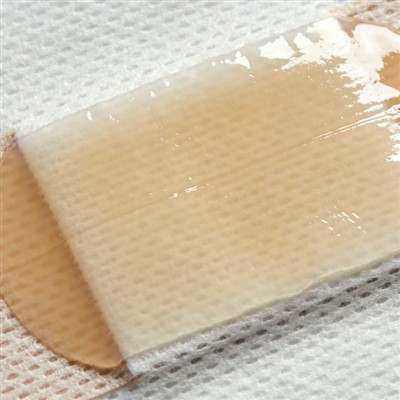
Medical Foam Adhesive Tape As a supplier of medical dressings, I am committed to providing high-quality products that meet the needs of healthcare providers and patients. If you are interested in learning more about our medical dressings or would like to discuss your specific needs, please do not hesitate to contact us. We would be happy to provide you with more information and answer any questions you may have.
References
- Schultz GS, Sibbald RG, Falanga V, et al. Wound bed preparation: a systematic approach to wound management. Wound Repair Regen. 2003;11(1):1-28.
- Vowden KR, Vowden P. The role of dressings in the management of chronic wounds. Br J Nurs. 2008;17(17):1060-1066.
- Cutting KF, White RJ. Wound dressings: an overview. Nurs Stand. 2006;20(41):47-52.
- Moffatt CJ, Ovington LG, Sibbald RG. Wound bed preparation: a systematic approach to wound management. Wound Repair Regen. 2008;16(6):634-644.
- Ayello EA, Sibbald RG. Wound bed preparation and the importance of cleansing. Ostomy Wound Manage. 2005;51(10):26-35.
Shenzhen Omori Biological Technology Co., Ltd.
We’re well-known as one of the leading medical dressings manufacturers and suppliers in China. We warmly welcome you to wholesale high quality medical dressings made in China here from our factory. If you have any enquiry about customized service, please feel free to email us.
Address: Floor4, No43, Langkou Industrial park, Dalang Street, Longhua District, Shenzhen City, Guangdong Province, China
E-mail: wya@omorimed.com
WebSite: https://www.omorimed.com/
