If you’ve ever stood at the helm of a small fishing boat, felt the gentle pull of a trolling motor mid-cast, or adjusted your weight to keep a skiff steady in choppy water, you’ve probably interacted with a swivel point without realizing it. As someone who’s been a swivel point supplier for nearly 12 years—first out of a 1,200-square-foot warehouse in the Pacific Northwest, now working with boat builders and recreational anglers across North America—I’ve watched swivel points transform from a “nice-to-have” add-on to a non-negotiable component for everything from bass boats to work skiffs. Today, I’m breaking down how to use swivel points effectively, no matter what type of boat you run, and why a quality swivel point makes all the difference between a frustrating day on the water and a smooth one. Swivel Point
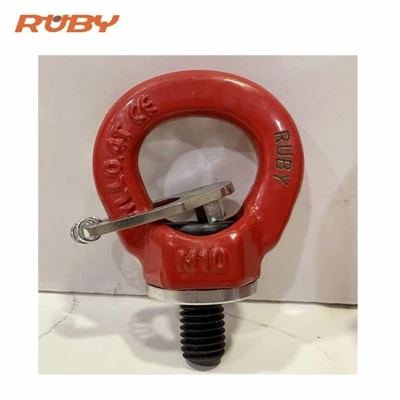
First, let’s cut through the jargon: a swivel point is a pivoting connection that lets two parts of a boat’s setup move independently of each other, without binding or adding unnecessary friction. For most casual anglers, that means the connection between a trolling motor’s mount and the boat’s deck, or a rod holder’s base and its extension. For commercial operators, it’s often the connection between a hydraulic steering system and the helm, or a lift’s arm and a cargo net. The key here is that not all swivel points are equal—cheap, plastic swivels crack after a few saltwater outings, while high-quality, marine-grade swivels (the kind we supply) are built to handle corrosion, heavy loads, and constant movement.
Let’s start with the most common use case for recreational boaters: trolling motor swivel points. If you run a bow-mounted trolling motor, you know that when you’re fishing, you’re rarely staying in one spot. You’ll adjust your stance to cast to a school of bass, shift your weight to counter a wave, or steer the motor ever so slightly to follow a moving target. A fixed mount would force the entire motor to move with you, which is inefficient and can cause your prop to catch on weeds or debris. A swivel point lets you pivot the trolling motor 360 degrees with a simple turn of your wrist, so you can adjust your heading without shifting your position at the helm.
Here’s how to use that to your advantage, especially when fishing in shallow, weed-choked waters: First, lock the swivel point’s tension correctly. Too loose, and the motor will drift on its own; too tight, and you’ll strain your wrist adjusting it. Most quality swivels have a adjustment nut or knob—turn it clockwise to increase tension, counterclockwise to loosen. For calm, open water, keep tension tight enough that the motor stays put until you intentionally pivot it. For shallow water with lots of structure, loosen it slightly so you can quickly reposition the motor if a rock or weed gets wrapped around the prop.
Another pro tip for anglers: use a dual-axis swivel point, if your boat setup allows. A basic swivel only lets you rotate horizontally, but a dual-axis model also lets the motor tilt up or down as you pivot. That’s perfect for when you’re casting from a small skiff—you can pivot the motor to face the direction you’re casting, and tilt it slightly to line up with your rod’s angle, without having to readjust the entire mount. I’ve worked with dozens of tournament bass anglers who swear by this setup; one pro I supply to told me last month that it cut his time adjusting his trolling motor by 40% during a 8-hour tournament, which is enough to make a difference in the final standings.
Beyond trolling motors, swivel points are game-changers for rod holders, especially for people who fish from multiple angles or have multiple lines in the water. If you’ve ever had a rod holder fixed in one spot, you know that when a big fish strikes, it can yank the rod right out of the holder if you don’t have a tight enough grip. A swiveling rod holder lets you pivot with the fish, absorbing some of the pull so you don’t have to strain your arm to keep the rod from tipping over. For multi-rod setups, mounting two rod holders on a single swivel point means you can adjust both to different angles without drilling multiple extra holes in your boat’s deck. I’ve seen this work wonders on pontoon boats, where space is at a premium and groups of anglers are constantly shifting positions to fish.
If you run a commercial vessel or a work boat, swivel points serve a different purpose, but they’re just as critical. For deck hands who handle cargo nets, grappling hooks, or salvage equipment, a swivel point prevents ropes or cables from twisting and tangling, which can lead to accidents or broken gear. When you’re hauling a heavy load, a swivel point lets the rope rotate smoothly without creating friction that could fray it, extending the life of your rigging. I supply swivel points to a number of small commercial fishing operations in the Gulf of Mexico, and one captain told me that replacing tangled rigging had cost him over $2,000 a year before he switched to our marine-grade swivels. Now, he says, he only replaces rigging due to wear, not tangles, which has saved him hundreds of hours of downtime.
Now, let’s talk about a common mistake I see boat owners make: ignoring swivel point maintenance. A swivel point is only as good as its ability to pivot smoothly, and saltwater, dirt, and grime can seize it up over time. If you notice your swivel is stiff, don’t force it—you’ll crack the housing or strip the threads. Instead, clean it regularly: after every outing, rinse the swivel with fresh water to remove salt and debris, then spray a marine-grade lubricant (not WD-40, which attracts dirt) into the pivot joints. For swivels on trolling motors, check the tension every few trips, especially if you’re running the motor in choppy water; loose tension can lead to the motor drifting unexpectedly, which is a safety hazard.
Another mistake is choosing a swivel point that’s not rated for your load. If your trolling motor is 55 pounds, a swivel rated for 30 pounds is going to fail, probably at the worst time—like when you’re fighting a 10-pound bass in rough water. I always tell customers to check the weight rating of their swivel point against the heaviest component it will be supporting. For rod holders, a light-duty swivel might work for a single spinning rod, but if you’re using a heavy-duty baitcaster for saltwater fishing, you need a swivel rated for that extra weight. We have a range of swivel points for every use, from light recreational fishing to commercial applications, so it’s important to match the product to your needs.
Let’s wrap this up with a quick example of how swivel points can make a tangible difference for your next day on the water. Last summer, a customer from Seattle bought our dual-axis swivel points for his 16-foot skiff, which he uses for salmon fishing in Puget Sound. Before, he had a fixed mount for his trolling motor, and he’d often drift into salmon schools because he couldn’t adjust his heading quickly enough. He also had a rod holder fixed at the bow, and when he hooked a salmon, the pull would yank his rod nearly out of his hand. After installing our swivel points, he told me, he caught three salmon his first outing—double his usual count—and said the swivel’s tension adjustment let him pivot the motor smoothly to follow the fish’s movement, while the rod holder absorbed the fish’s pull so he didn’t have to fight to hold on.
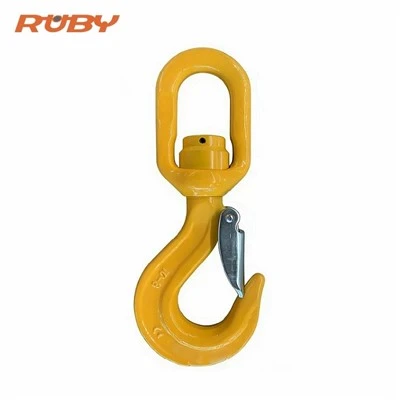
If you’re looking to upgrade your boat’s setup with quality swivel points, whether for recreational fishing or commercial use, I’m here to help. We work with boat builders, repair shops, and individual boat owners to supply marine-grade swivel points that are built to last. To discuss your specific needs, whether you’re looking for a swivel for a trolling motor, rod holders, or commercial rigging, feel free to reach out to connect for a consultation. You can count on honest advice, no fluff, and products that are tested to handle the toughest marine conditions.
Lifting Components References
- Marine Retailers Association of America. (2022). Marine Hardware Maintenance Guide.
- American Boat and Yacht Council. (2021). Standard for Pivoting Connections in Recreational Craft.
- National Marine Manufacturers Association. (2023). Accessory Components for Small Vessels: Performance Ratings.
Hangzhou Ruby Imp. & Exp. Co., Ltd.
As one of the most experienced swivel point manufacturers and suppliers in China, we offer a wide range of products with superior quality. We warmly welcome you to wholesale custom made swivel point at competitive price from our factory.
Address: Taoyuan Industrial Park, Puyang Town, Xiaoshan, Hangzhou, Zhejiang, China.
E-mail: Sales5@z2lifting.com
WebSite: https://www.rubylifting.com/
