Hey there, photography enthusiasts! I’m [Your Name], and I work for a top – notch Optical Lenses & Optics supplier. Today, I’m super stoked to dig into how optical lenses work in a camera’s slow – motion mode. It’s a fascinating topic that combines the magic of optics with the wonder of high – speed capture. Optical Lenses & Optics
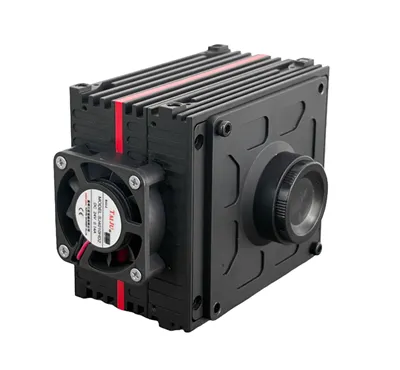
First off, let’s talk about what slow – motion mode actually is. When you shoot in slow – motion, you’re recording a scene at a much higher frame rate than normal. For example, a regular video might be shot at 24 or 30 frames per second (fps). But in slow – motion, we can go up to 120fps, 240fps, or even higher. This means that the camera is taking a ton of pictures in a short amount of time. When you play the video back at a normal frame rate, like 24fps, each second of shooting is stretched out over several seconds of playback, creating that cool slow – motion effect.
Now, let’s get to the optical lenses. These lenses are the eyes of the camera, and they play a crucial role in making slow – motion work. The main job of any lens is to focus light onto the camera’s sensor. This is no different in slow – motion mode. But here’s the thing: when you’re shooting at high frame rates, you need a lens that can handle a lot of light quickly.
One of the key factors in a lens for slow – motion is its aperture. The aperture is the opening in the lens that allows light to pass through. It’s measured in f – stops, and the lower the f – stop number, the wider the aperture. For example, a lens with an f/1.8 aperture is wider than one with an f/2.8 aperture. A wider aperture means that more light can enter the lens in a shorter amount of time. This is super important for slow – motion because each frame is being exposed for a very short period. If the lens can’t let in enough light, the frames will come out dark, and you’ll end up with a grainy or noisy video.
Another important aspect of lenses for slow – motion is their sharpness. When you’re shooting at high frame rates, you’re capturing a detailed snapshot of a split – second moment. You want the image to be as sharp as possible. This means that the lens needs to have good optical quality. A sharp lens will minimize things like chromatic aberration (color fringing) and distortion. Our company makes sure to use high – quality glass elements and advanced lens coatings to achieve this. These coatings can reduce reflections and glare, which also helps to improve the overall image quality.
The ability of the lens to handle different distances is also crucial. In a slow – motion video, you might want to focus on a moving object that’s getting closer or farther away. A good lens should be able to adjust its focus quickly and accurately. This is where things like autofocus systems come in. Modern lenses often have advanced autofocus motors that can track moving objects with amazing precision. We’ve spent a lot of time researching and developing these autofocus technologies to ensure that our lenses can keep up with the fast – paced action in slow – motion shooting.
Let’s also talk about the focal length of the lens. Different focal lengths can create different effects in slow – motion videos. A wide – angle lens (with a short focal length, like 16mm – 35mm) is great for capturing large scenes. It can give you a sense of scale and environment. For example, if you’re shooting a slow – motion video of a waterfall, a wide – angle lens can show the whole waterfall and the surrounding landscape. On the other hand, a telephoto lens (with a long focal length, like 70mm – 200mm or more) is better for getting in close to a subject. It can make a small object look larger and more detailed. If you’re shooting a slow – motion video of a bird taking off, a telephoto lens can capture all the details of the bird’s feathers and movements.
Now, let’s get into some of the technical challenges that come with using lenses in slow – motion mode. One of the biggest challenges is heat. When you’re shooting at high frame rates, the camera’s sensor is working hard, and it can generate a lot of heat. This heat can cause problems for the lens, especially if it affects the alignment of the lens elements. Our lenses are designed with heat – resistant materials and advanced ventilation systems to help dissipate the heat and keep the lens working properly.
Another challenge is the weight and size of the lens. In some cases, you might need to use a large, heavy lens to get the best optical performance for slow – motion. This can be a problem if you’re shooting handheld or if you need to move the camera quickly. That’s why we’re constantly working on making our lenses more compact and lightweight without sacrificing performance.
So, why should you choose our optical lenses for your slow – motion needs? Well, we’ve been in the business for a long time, and we’ve built a reputation for quality and innovation. Our lenses are made with the latest technology and the highest – quality materials. We offer a wide range of lenses with different focal lengths, apertures, and features to suit every type of slow – motion shooting. Whether you’re a professional filmmaker or an amateur enthusiast, we’ve got a lens that’s right for you.
If you’re interested in learning more about our optical lenses or getting some advice on which lens is best for your slow – motion projects, don’t hesitate to reach out. We’re always happy to have a chat and help you find the perfect solution. You can contact us to start a conversation about purchasing and see how we can elevate your slow – motion photography game.
Optical Lenses & Optics References:
- Goody, R.H., "Principles of Atmospheric Optics"
- Hecht, E., "Optics"
Xi’an Zhongke Lead Ir-Tech Co., Ltd.
We are one of the most experienced optical lenses & optics manufacturers in China, specialized in providing high quality OEM products with the industrial grade. We warmly welcome you to wholesale high performance optical lenses & optics at an affordable price from our factory.
Address: Building 8,Hard Technology Enterprise Community No.3000,Biyuan 2nd Rd,High-Tech Zone Xi’an,Shaanxi,China
E-mail: sales@lead-ir.com
WebSite: https://www.leadinfrared.com/
