Scaling down a packaged sewage treatment plant is a strategic decision that involves multiple aspects, from technical considerations to cost – effectiveness. As a supplier of packaged sewage treatment plants, I have witnessed firsthand the diverse needs of clients and the complex process of resizing these facilities. Packaged Sewage Treatment Plant
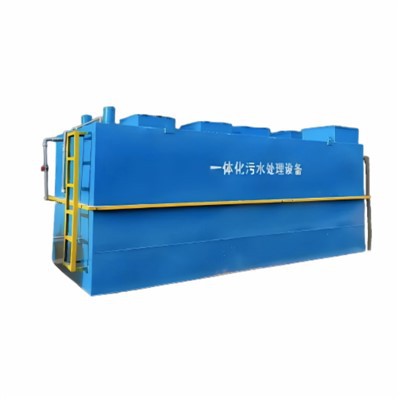
1. Understanding the Need for Scaling Down
There are several reasons why a client might want to scale down a packaged sewage treatment plant. One common reason is a decrease in the volume of sewage to be treated. For instance, if a factory has reduced its production or a residential area has seen a decline in population, the current treatment plant may be oversized, leading to higher operational costs.
Another factor could be cost – saving initiatives. Running a large treatment plant requires significant amounts of energy, chemicals, and maintenance. By scaling down, the client can reduce these costs without sacrificing the quality of treatment. Additionally, if the site has space limitations and the large plant becomes an obstacle for future expansion plans, downsizing the treatment plant can free up valuable space.
2. Technical Considerations
2.1 Capacity Assessment
The first step in scaling down a packaged sewage treatment plant is to accurately assess the current and future sewage volume. This involves collecting historical data on sewage flow rates, which can be obtained from flow meters installed in the existing system. Site – specific factors such as seasonal variations, peak flow times, and potential future developments that could impact sewage quantity should also be taken into account.
Based on the data analysis, we can determine the minimum and maximum flow rates that the new, scaled – down plant needs to handle. This information is crucial for sizing the new treatment units accurately. For example, if the original plant was designed to treat 100 cubic meters of sewage per day, but the current average flow is only 30 cubic meters per day, a significant reduction in capacity is possible.
2.2 Treatment Process Selection
The existing treatment process in the large – scale plant may not be the most suitable for a scaled – down version. Different treatment processes have different efficiencies and cost – effectiveness at various scales. For example, an activated sludge process that works well in a large – scale plant may not be as efficient in a smaller one due to factors such as aeration requirements and sludge handling.
For smaller plants, membrane bioreactor (MBR) technology can be a good option. MBRs offer high – quality treatment in a relatively compact footprint, making them ideal for reduced – scale operations. They can also handle variable flow rates more effectively compared to some traditional processes. Another option could be a constructed wetland system, which is low – cost and environmentally friendly, suitable for treating small to medium volumes of sewage.
2.3 Equipment Resizing
Once the treatment process is selected, the next step is to resize the equipment. This includes pumps, blowers, clarifiers, and other components of the treatment system. For pumps, the flow rate and head requirements need to be recalculated based on the new sewage volume. If the original pump was sized for a high – flow, high – head system, a smaller and more energy – efficient pump can be selected for the scaled – down plant.
Blowers, which are responsible for providing aeration in the activated sludge or MBR processes, also need to be appropriately sized. A smaller blower can be used to provide the required amount of oxygen with less energy consumption. Clarifiers, on the other hand, may need to be replaced with smaller models that can handle the reduced volume of sewage without compromising the sedimentation efficiency.
3. Cost – Benefit Analysis
Scaling down a packaged sewage treatment plant can bring significant cost savings, but it is essential to conduct a comprehensive cost – benefit analysis.
3.1 Capital Costs
The capital costs of scaling down include the cost of purchasing new equipment, modifying the existing infrastructure, and installing the new treatment system. The cost of new equipment will depend on the type of treatment process selected and the size of the equipment. For example, an MBR system may have a higher initial cost compared to a traditional activated sludge system, but it may offer long – term savings in terms of space and operational efficiency.
Modifying the existing infrastructure may involve removing or relocating some of the old equipment, which can also incur costs. However, in some cases, the existing structure can be reused with minor modifications, reducing the overall capital expenditure.
3.2 Operational Costs
Operational costs are a major consideration in the long – term viability of the scaled – down plant. Energy costs, which are a significant part of the operational expenses, can be reduced by using smaller and more energy – efficient equipment. For example, a smaller blower may consume less electricity, and a reduced – size pump may require less power to operate.
Chemical costs can also be lowered as the amount of chemicals required for treatment is directly related to the volume of sewage. Maintenance costs may also decrease as there are fewer components to maintain and service in the smaller plant.
3.3 Return on Investment
By comparing the capital and operational costs with the expected savings in the long run, we can calculate the return on investment (ROI) of scaling down the treatment plant. A positive ROI indicates that the investment in the scaled – down plant is worthwhile, while a negative ROI may suggest that other options should be explored.
4. Regulatory Compliance
When scaling down a packaged sewage treatment plant, it is crucial to ensure that the new system complies with all relevant environmental regulations. The treatment efficiency of the scaled – down plant must meet the required standards for pollutant removal, such as biochemical oxygen demand (BOD), chemical oxygen demand (COD), and total suspended solids (TSS).
Regulatory authorities may also have specific requirements regarding the design, construction, and operation of sewage treatment plants. For example, they may require proper documentation of the design and sizing of the new plant, as well as regular monitoring and reporting of the treatment performance.
5. The Role of Our Company as a Supplier
5.1 Expert Consultation
As a packaged sewage treatment plant supplier, we offer expert consultation services to help clients make informed decisions about scaling down their plants. Our team of engineers and technicians has extensive experience in sewage treatment and can conduct detailed site surveys and data analysis to assess the feasibility of scaling down.
We can provide clients with a comprehensive report that includes the recommended treatment process, equipment sizing, cost – benefit analysis, and regulatory compliance measures. This report serves as a roadmap for the entire scaling – down process.
5.2 Customized Solutions
Every client’s situation is unique, and we understand the importance of providing customized solutions. Based on the client’s specific needs and requirements, we can design and manufacture a scaled – down packaged sewage treatment plant that meets their exact specifications.
Our plants are modular in design, which allows for easy installation and future expansion if needed. We use high – quality materials and advanced technology to ensure the reliability and efficiency of our treatment systems.
5.3 After – Sales Support

We also offer comprehensive after – sales support to our clients. This includes installation and commissioning of the new treatment plant, operator training, and regular maintenance and servicing. Our technicians are available 24/7 to address any issues that may arise during the operation of the plant.
Water Purification and Other Equipment If you are considering scaling down your packaged sewage treatment plant, we are here to help. Our team of experts can guide you through the entire process, from the initial assessment to the final implementation. We are committed to providing you with the best possible solutions that meet your needs and budget. Contact us to discuss your requirements and start the journey towards a more efficient and cost – effective sewage treatment solution.
References
- Metcalf, L. K., & Eddy, H. (2003). Wastewater Engineering: Treatment, Disposal, and Reuse. McGraw – Hill.
- Tchobanoglous, G., Burton, F. L., & Stensel, H. D. (2003). Wastewater Engineering: Treatment and Reuse. McGraw – Hill.
- World Health Organization. (2006). Guidelines for the Safe Use of Wastewater, Excreta and Greywater.
Shandong Lingke Environmental Technology Co., Ltd.
We’re well-known as one of the leading packaged sewage treatment plant manufacturers and suppliers in China, featured by quality products and good price. Please rest assured to buy durable packaged sewage treatment plant for sale here from our factory. Customized orders are welcome.
Address: 100 Meters South of the Intersection of County Road 042 and National Highway 309, Changle County, Weifang City, Shandong Province
E-mail: aileenlin@sdlingkegroup.com
WebSite: https://www.lkecotech.com/
