Hey there! As an AC motor supplier, I often get asked about how to install an AC motor properly. It’s not as complicated as it might seem at first, but there are definitely some key steps to follow to ensure a smooth and safe installation. In this blog post, I’m gonna walk you through the whole process, from pre – installation checks to the final tests. AC Motor
Pre – installation Checks
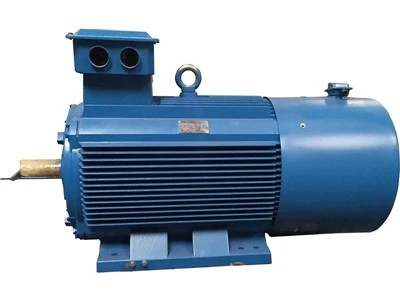
First things first, before you even start the installation, you gotta do a thorough inspection of the motor and all the related components. Take a good look at the AC motor itself. Check for any visible damage on the casing, like cracks or dents. A damaged casing can lead to safety issues and affect the motor’s performance in the long run.
Also, look at the shaft. It should be straight and free from any nicks or scratches. If the shaft is damaged, it can cause vibrations and premature wear of the connected equipment.
Next, check the motor’s nameplate. This little piece of info is super important. It tells you the motor’s voltage, current, power, and other crucial specifications. Make sure the power supply in your location matches the motor’s requirements. For example, if the motor is rated for 220V and your power outlet provides 110V, it won’t work as expected, and you might even damage the motor.
You’ll also need to gather all the necessary tools. You’ll probably need a wrench set, screwdrivers (both flat – head and Phillips), a multimeter to check electrical connections, and some safety equipment like gloves and safety glasses.
Mounting the Motor
Once you’ve done all the checks, it’s time to mount the motor. Decide on the right location for it. The place should be well – ventilated because AC motors generate heat during operation. A poorly ventilated area can cause the motor to overheat, reducing its lifespan.
Also, make sure the surface where you’ll mount the motor is flat and sturdy. If it’s not, the motor can vibrate excessively, which can lead to mechanical failures.
Use the appropriate mounting hardware. Most AC motors come with mounting holes, and you’ll need to use bolts or screws that fit these holes. Tighten the bolts evenly. If you tighten one bolt too much before the others, it can cause the motor to be misaligned, which is a big no – no.
Electrical Connections
Now, this is the part where you gotta be really careful. Electrical connections are super important and can be dangerous if not done correctly.
First, turn off the power supply to the area where you’ll be working. This is non – negotiable. You don’t want to get electrocuted while you’re working on the motor.
Next, identify the motor’s terminals. Usually, there are three main types: line terminals, neutral terminals (if applicable), and ground terminals. The line terminals are where you connect the power supply wires. The neutral terminal is for the neutral wire (in some electrical systems), and the ground terminal is for the grounding wire.
Use the multimeter to check the continuity of the wires and the terminals. This ensures that there are no breaks in the electrical circuit.
Connect the wires to the appropriate terminals. Make sure the connections are tight. Loose connections can cause arcing, which is a fire hazard and can also damage the motor. You can use wire nuts or terminal blocks to secure the connections.
Once you’ve made all the connections, double – check them. It’s better to be safe than sorry.
Belt or Coupling Installation
Most AC motors are connected to the equipment they’re driving either by a belt or a coupling.
If you’re using a belt, choose the right type and size of the belt for your motor and the driven equipment. The belt should be properly tensioned. If it’s too loose, it can slip, reducing the efficiency of the system. If it’s too tight, it can put extra stress on the motor and the driven equipment, leading to premature wear.
To tension the belt, you can use a belt tension gauge. Follow the manufacturer’s recommendations for the correct tension.
If you’re using a coupling, make sure it’s aligned correctly. Misaligned couplings can cause vibrations, noise, and damage to the motor and the driven equipment. You can use alignment tools like laser alignment tools to ensure perfect alignment.
Testing the Motor
After you’ve completed all the installation steps, it’s time to test the motor. But before you do that, make sure everything is in its place and all the connections are secure.
Turn on the power supply slowly. Monitor the motor’s operation closely. Listen for any unusual noises, like grinding or rattling sounds. These could indicate problems with the installation, such as misalignment or loose parts.
Check the motor’s temperature. It should run within a normal temperature range. If it gets too hot too quickly, there might be an electrical or mechanical issue.
Use the multimeter to check the motor’s current and voltage. They should be within the specifications indicated on the nameplate.
Run the motor for a while to see if it can handle continuous operation. If everything seems to be working fine, then congratulations! You’ve successfully installed an AC motor.
Troubleshooting Tips
Even if you follow all the steps correctly, sometimes things can go wrong. Here are some common issues and how to fix them:
- Motor doesn’t start: Check the power supply. Make sure the circuit breaker hasn’t tripped and that there’s power at the motor’s terminals. Also, check the wiring connections. Loose or incorrect connections can prevent the motor from starting.
- Excessive vibrations: Check for misalignment of the motor, belt, or coupling. Make sure the motor is properly mounted on a flat and sturdy surface.
- Overheating: Check the ventilation around the motor. Make sure there are no obstructions. Also, check the electrical connections. Loose connections can cause excessive heat.
Why Choose Our AC Motors?
Now that you know how to install an AC motor, you might be wondering where to get a high – quality one. Well, I’m here to tell you that our AC motors are top – notch.
We’ve been in the business for a long time, and we know what it takes to make a reliable and efficient AC motor. Our motors are made with high – quality materials, which means they have a longer lifespan and require less maintenance.
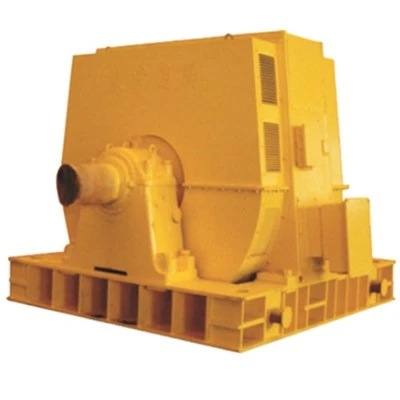
We offer a wide range of AC motors, from small – sized ones for household appliances to large – scale industrial motors. No matter what your needs are, we’ve got you covered.
Our prices are also very competitive. We believe that quality doesn’t have to come at a high cost. We want to make sure that you get the best value for your money.
Starters & Drivers If you’re interested in buying an AC motor from us, or if you have any questions about installation or our products, don’t hesitate to get in touch with us. We’re always happy to help you out. Whether you’re a DIY enthusiast or a professional in the industry, we can provide you with the right motor and the support you need.
References
- Motor Installation Manuals from Industry Standards
- Electrical Engineering Textbooks on AC Motor Operations
- Technical Bulletins from AC Motor Manufacturers
Xian Putai Electric Motor Equipment Co., Ltd.
Xian Putai Electric Motor Equipment Co., Ltd. is one of the most professional ac motor manufacturers and suppliers in China, also supports customized service with low price. Welcome to buy advanced ac motor in stock here from our factory. If you have any enquiry about quotation, please feel free to email us.
Address: Haibo Guangchang Fengcheng Nine Road Economical & Technological Development District Xi’an City Shaanxi Province – China
E-mail: sales@putaimotor.com
WebSite: https://www.putaimotor.com/
