Over – cutting in an engraving and milling machine operation is a common yet frustrating problem that can lead to significant losses, including damaged workpieces, wasted materials, and additional production time. As a supplier of engraving and milling machines, I understand the pain points faced by operators and manufacturers. In this blog, I will share some practical tips on how to avoid over – cutting in engraving and milling machine operations. Engraving and Milling Machine
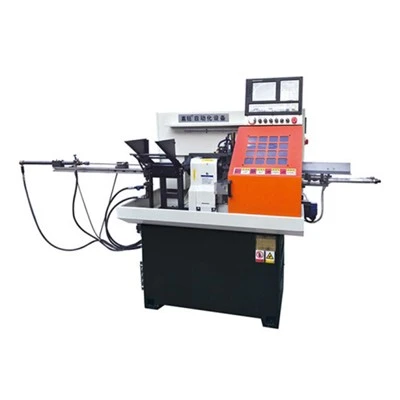
One of the primary causes of over – cutting is improper tool selection. Different materials and machining requirements call for specific types of cutting tools. For example, when working with hard metals like titanium or stainless steel, a high – speed steel (HSS) tool may wear out quickly, leading to over – cutting as the tool loses its sharpness. In such cases, carbide – tipped tools are a better choice due to their superior hardness and wear resistance.
Carbide tools can maintain their cutting edge for a longer time, reducing the risk of over – cutting. When selecting a tool, consider the material of the workpiece, the required cutting speed, and the depth of cut. A tool that is too small in diameter may not be able to handle the specified cutting depth, causing it to dig into the material more than intended and resulting in over – cutting. On the other hand, a tool that is too large may generate excessive forces, leading to instability and inaccurate cuts.
Another crucial factor is the setting of cutting parameters. Cutting speed, feed rate, and depth of cut are the three main parameters that need to be carefully adjusted. The cutting speed refers to the speed at which the cutting edge of the tool moves relative to the workpiece. A too – high cutting speed can cause the tool to overheat, leading to rapid wear and over – cutting. Conversely, a too – low cutting speed may result in the tool rubbing against the material rather than cutting it cleanly, also increasing the risk of over – cutting.
The feed rate is the speed at which the workpiece is moved relative to the tool. If the feed rate is too fast, the tool may not have enough time to remove the material properly, resulting in uneven cuts and over – cutting. On the other hand, a very slow feed rate can cause the tool to dwell in one area for too long, overheating and leaving deep marks on the workpiece.
The depth of cut determines how much material is removed in each pass of the tool. Setting the depth of cut too deep can put excessive stress on the tool and the machine, leading to over – cutting. It is important to start with a small depth of cut and gradually increase it based on the performance of the tool and the stability of the machine.
Regular maintenance of the engraving and milling machine is also essential to avoid over – cutting. A well – maintained machine ensures accurate and stable operation. Check the machine’s spindle regularly to ensure it is running smoothly and has the correct speed. A damaged or misaligned spindle can cause the tool to deviate from its intended path, resulting in over – cutting.
Inspect the tool holders for any signs of wear or damage. A loose or worn – out tool holder can cause the tool to vibrate during operation, leading to inaccurate cuts and over – cutting. Clean the machine regularly to remove chips and debris that may accumulate on the worktable or in the cutting area. These chips can interfere with the movement of the tool and the workpiece, causing over – cutting.
Calibration of the machine is another key step in preventing over – cutting. Over time, the machine’s components may shift slightly, leading to inaccurate positioning of the tool and the workpiece. Regular calibration can ensure that the machine is aligned correctly and that the tool moves along the intended path. Calibration should be carried out according to the manufacturer’s instructions using precision measuring tools.
Operator training is also of utmost importance. A well – trained operator is more likely to set up the machine correctly, choose the appropriate tools and cutting parameters, and monitor the operation closely. Provide comprehensive training to operators on the proper use and maintenance of the engraving and milling machine. Train them to recognize the signs of potential over – cutting, such as unusual noises, vibrations, or changes in the quality of the cut.
Encourage operators to perform trial cuts on scrap materials before starting the actual production. This allows them to adjust the cutting parameters and ensure that the machine is operating correctly. During the machining process, operators should pay close attention to the operation of the machine and make timely adjustments if any problems are detected.
Use of advanced control systems can also help in avoiding over – cutting. Modern engraving and milling machines are often equipped with computer numerical control (CNC) systems. These systems allow for precise control of the cutting process, including the movement of the tool, the cutting speed, and the feed rate.
Program the CNC system accurately to ensure that the tool follows the correct path and cuts the material to the desired dimensions. Some advanced CNC systems also have built – in error – detection and compensation features. These features can detect deviations from the programmed path and make automatic adjustments to prevent over – cutting.
In addition to the above measures, proper fixturing of the workpiece is also necessary. A well – fixtured workpiece ensures that it remains stable during the machining process. If the workpiece is not properly clamped or supported, it may move or vibrate, causing the tool to cut into the wrong area and resulting in over – cutting.
Choose the appropriate fixturing method based on the shape and size of the workpiece. For example, for flat workpieces, a vise or a clamp can be used. For more complex shapes, custom – made fixtures may be required. Ensure that the fixtures are tightened securely and do not interfere with the movement of the tool.
To sum up, avoiding over – cutting in an engraving and milling machine operation requires a comprehensive approach. By selecting the right tools, setting the correct cutting parameters, maintaining the machine regularly, calibrating it accurately, training the operators well, using advanced control systems, and fixturing the workpiece properly, we can significantly reduce the risk of over – cutting.
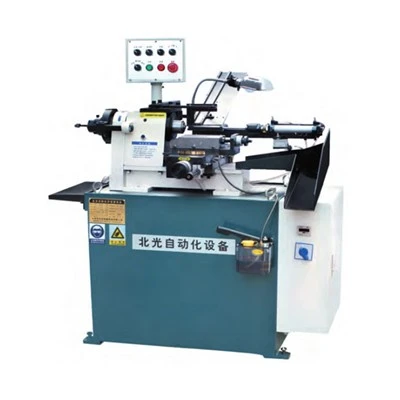
As a supplier of engraving and milling machines, we are committed to providing high – quality machines and excellent technical support. Our machines are designed with advanced features to ensure accurate and stable operation, reducing the occurrence of over – cutting. If you are interested in purchasing our engraving and milling machines or need more information on how to avoid over – cutting, please feel free to contact us for further discussions. We look forward to working with you to achieve better machining results.
Automatic Lathe References
- Smith, J. (2018). Precision Machining: Principles and Practices. Engineering Press.
- Brown, A. (2019). CNC Machining Handbook. Manufacturing Industries Publishing.
- Johnson, R. (2020). Tool Selection and Cutting Parameters for Machining. Mechanical Engineering Journal.
Taizhou Qiyang Trading Co., Ltd.
As one of the most professional engraving and milling machine manufacturers and suppliers in China, we’re featured by quality products and good price. Please rest assured to buy bulk engraving and milling machine for sale here and get quotation from our factory. Customized orders are welcome.
Address: Zhenhai Village, Binhai Town, Wenling City, Taizhou City, Zhejiang Province
E-mail: qycncmachine@outlook.com
WebSite: https://www.qycncmachine.com/
