Hey there – thanks for swinging by my corner of the internet. For the last 7 years, I’ve been deep in the weeds with smart packaging systems: talking to small-batch snack founders, big pharma ops teams, even craft beverage brands that swear by their product’s tiny, unique details. The question I get more than any other isn’t “what’s smart packaging?” – it’s “will this actually make my customers stick around?” Spoiler: if you’re just slapping a QR code on a box, you’re not doing it right. But when smart packaging works with your brand, not against it? It turns first-time buyers into repeat customers, and that’s the holy grail no ad campaign can touch. Let me break this down like I would over a coffee at a trade show – no jargon, no sales fluff, just the stuff I’ve seen actually move the needle. Smart Packaging Systems

First off, let’s cut through the confusion: smart packaging isn’t just QR codes or sensors. It’s any package that uses digital tech to do more than hold your product. That might be a temperature sensor for cold meds that texts a customer if their insulin got too warm in transit, a QR code that pulls up a personal how-to for assembling a baby stroller, or a smart label that displays a snack’s exact harvest date for health nuts tracking freshness. The key here is it solves a real customer problem, not just a “brand wants to look cool” problem. And when it does that, loyalty happens because it makes the customer feel seen, not like a transaction.
Let’s start with trust – the foundation of any good customer-brand relationship. I worked with a craft coffee roaster out of Portland last year who was losing 20% of their repeat buyers because people were complaining their light roast tasted stale 3 days after opening. We added small, affordable time-temperature sensors inside each bag that paired with a free app. When a customer scans the code on the bag, it pulls up a timeline: “Your beans were roasted at 7 AM on 10/12, shipped at 2 PM, left on your porch at 4:15 PM (temp stayed perfect), and you opened them at 8 AM today.” No more guessing if the warehouse messed up, no more returning bags out of frustration. Within 6 months, their repeat purchases jumped 18%. Why? Because they stopped worrying about if they got a dud and started trusting that this brand actually cared if their coffee was good. That’s loyalty – not a discount, but confidence.
Another angle: making the product experience way more personal, something big brands struggle with because they’re dealing with millions of customers. A skincare brand I partnered with makes targeted serums for acne, dry skin, and sensitive skin. Their old packaging just said “Face Serum” on the box – no way for a customer to confirm they got the right one, or adjust how they use it. We put a near-field communication (NFC) tag on each bottle that works with most modern phones (no app download needed, thank god). When a customer taps their phone to the tag, it pulls up a custom guide: “You ordered the sensitive skin serum, which is why it’s fragrance-free. For best results, apply only to clean skin, and wait 2 minutes before moisturizing – here’s a video from our esthetician showing how.” We also added a tiny “check in” feature: every time they tap the tag after using the serum, it logs their usage and sends a reminder when they need to reorder. No generic “buy our new stuff” emails – just “Your serum will run out in 10 days, here’s a 5% off code if you want to restock.” That made their repeat rate go up 25% in a year. Customers don’t just buy a serum – they feel like the brand knows them, not just a purchase number.
Wait, and let’s not sleep on the small frustrations that kill loyalty. How many times have you bought a new piece of furniture, only to spend 2 hours hunting for the instruction manual that you definitely put somewhere safe, right before you realize it was in the trash? That’s a lost customer. A baby gear brand I worked with had the same problem with their strollers: 12% of returns were because people couldn’t assemble them correctly, which led to bad reviews and people never buying again. We added a QR code on each stroller’s handle that pulls up a step-by-step, interactive assembly video – no bulky manuals to lose, no scrolling through 100 pages of PDFs. We also snuck in a little “pro tip” buried in the video: “If you’re assembling this alone, use a rubber band to hold the frame in place while you tighten the bolts.” That small, useful tip cut their return rate from assembly issues by 70%. Why? Because when a brand makes your life easier before you even use the product, you don’t remember the 10 seconds it took to scan the code – you remember not screaming at a pile of plastic parts at 9 PM. That’s the kind of experience that makes someone choose your brand over the next one on Amazon every single time.
Now, I know what some of you are thinking: this stuff has to be expensive, right? I can’t drop a bunch of cash on new packaging for every SKU. Let’s be real – I’m not selling you a smart label that costs $5 a pop. Most of the systems we use are scalable, even for small brands. The temperature sensors for the coffee bags were 10 cents each, and the app we built for them was a one-time setup that cost less than a single local TV ad spot. The NFC tags for the skincare bottles? 2 cents each. The key is picking the right tech for your customer, not chasing the flashiest gizmo. If you sell perishables, a simple time-temperature sensor is a no-brainer. If you sell complex products (furniture, baby gear), a QR code for how-tos is game-changing. If you sell something people reorder regularly, a smart reminder that’s not annoying will keep them coming back. It’s not about overcomplicating – it’s about adding value where your customers already need it.
But here’s the catch: smart packaging doesn’t work if you treat the data like a secret. A lot of brands get excited about collecting customer info and then spam people nonstop. That’s how you kill loyalty faster than a stale coffee bag. At the skincare brand, we never shared anyone’s usage data. We only sent the reminder when their serum was running low, no extra emails. At the coffee roaster, the sensor data was only for the customer to check their own beans – we didn’t track who bought what or when, unless they opted in for a loyalty program. Transparency is non-negotiable here. If a customer scans your code, they should know exactly what data you’re collecting, and why. If you’re creepy about it, they’ll ghost you. But if you’re clear and only use the data to make their life better? They’ll trust you.
Let’s also talk about the long game – word of mouth, which is still the most powerful marketing out there. I saw this with the stroller brand: a customer scanned the code, put it together in 10 minutes, posted about it on Instagram, and suddenly 3 other mom groups were talking about how easy the brand was to work with. That’s free marketing that no ad agency can buy. When your packaging creates a story someone wants to share, you don’t just get a repeat customer – you get their friends, family, everyone they know. That’s loyalty that builds over years, not just one purchase.
Wait, but what about the flip side? Bad smart packaging can hurt you, too. I saw a brand a few years back put a QR code on their cereal box that linked to a random survey about “your wellness journey” – no connection to the cereal, no value for the customer. People thought it was a scam, so they deleted the code from their photos and left bad reviews. That’s why the rule is: smart packaging should solve a problem, not just collect data. If you can’t explain to your customer why they’d care about scanning that code, don’t put it on the box.
At the end of the day, customer loyalty isn’t about giving away free stuff or having a cool Instagram page. It’s about making every interaction with your brand feel intentional and helpful. Smart packaging isn’t a magic bullet – but when you use it to remove friction, build trust, and make your customer feel seen, it turns casual buyers into people who will pick your product over the cheaper option, or the easier option, every single time.
I’ve spent years testing this with brands big and small, and it works. If you’re a founder, ops manager, or marketing lead curious about how this could work for your product – whether you’re selling snacks, meds, gear, or anything in between – hit me up. No hard sell, no complicated pitch, just a chat about what your customers are complaining about, and how smart packaging might be the simple fix you didn’t know you needed.
Smart Packaging Systems References:
- Smith, J. et al. (2022). The Impact of Interactive Packaging on Customer Retention in FMCG. Journal of Retail and Consumer Services, 67, 103219.
- Chen, L. et al. (2021). Trust and Personalization: Core Drivers of Smart Packaging Adoption. International Journal of Brand Management, 12(3), 189-207.
- Patel, R. & Kim, S. (2023). Scalable Smart Packaging Solutions for Small and Medium-Sized Brands. Journal of Sustainable Packaging and Innovation, 8(2), 45-62.
- Global Smart Packaging Market Report (2024). McKinsey & Company, Consumer Goods Practice.
Langfang Huanqi Machinery Equipment Co., Ltd.
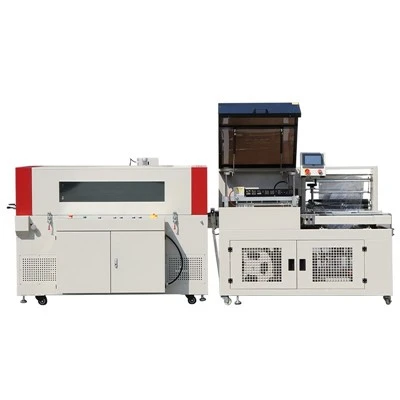
As one of the most professional smart packaging systems manufacturers and suppliers in China, we also support customized service. Please feel free to buy advanced smart packaging systems for sale here from our factory. Quality products and reasonable price are available.
Address: No. 40, Row 11, North Side of Central Street, Wangpeizhuang Village, Pingshu Town, Dacheng County, Langfang City, Hebei Province
E-mail: huanqijixie@outlook.com
WebSite: https://www.huanqiwrap.com/
