If you’ve ever stood in a commercial kitchen, restaurant prep station, or even a busy café, you’ve probably leaned on a commercial hot water dispenser for everything from refilling a barista’s pour-over pot to prepping instant soup for a lunch rush. As someone who’s spent over a decade selling, servicing, and troubleshooting these units for foodservice operators, I get it—when you’re scaling a hot sauce batch for your line or testing a new fermented pepper mash, every piece of equipment in your station feels like it could pull double duty to save time and money. The question I get more than any other from small hot sauce makers and food entrepreneurs is this: Can I use a commercial hot water dispenser for making hot sauces? Commercial Hot Water Dispenser
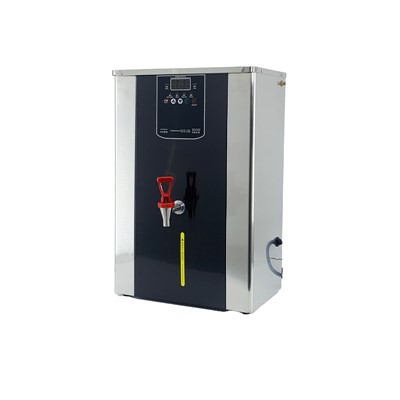
Let’s cut through the half-remembered advice from kitchen coworkers and TikTok hacks and ground this in real-world use and the science of both hot water dispensers and hot sauce production. For the uninitiated, a commercial hot water dispenser is purpose-built to deliver consistent, heated water on demand—usually set to a temperature between 160°F and 200°F, with a built-in reservoir that keeps water at that range constantly, unlike a stovetop pot that fluctuates as it simmers. Hot sauce, on the other hand, is a mix of peppers, liquids (water, vinegar, fruit purees, etc.), salt, and sometimes spices, blended and often heated to break down pepper skins, extract capsaicin, and stabilize the final product.
First, let’s talk about what makes a commercial hot water dispenser different from your standard home model. The ones we supply (and most reputable units for commercial use) are NSF-certified—non-negotiable for food service, as they meet strict standards for food contact materials, heating element safety, and water quality. That’s a huge point right off the bat: you’re not dealing with a flimsy home unit with a plastic liner that could leach chemicals at high temperatures. Commercial hot water dispensers use food-grade stainless steel for the heating chamber, the spout, and the reservoir, so that’s one big box checked for safety when making a product that will be served to customers.
But safety and material quality are only part of the equation. Let’s get into how these units perform for actual hot sauce steps, because that’s what matters most to someone mixing batches for sale or even their own large family operation. Let’s break down the core stages of making hot sauce and whether a commercial hot water dispenser works for each.
First, pepper prep and mashing. If you’re fermenting peppers, you’ll often start by rinsing them, then mashing them to release juices and capsaicin. Some recipes call for heating the pepper mash slightly to soften tough skins (especially for hotter peppers like habaneros or ghost peppers that have thick outer layers) before blending. Can a commercial hot water dispenser help here? The consistent heat is a plus. Unlike a stovetop where you’re heating water and adding peppers, the dispenser lets you pour exactly the volume of heated water you need—no more waiting for a pot to boil, no more wasting water to reach the right temperature. For a 5-gallon batch of hot sauce, you might need 2 to 3 gallons of heated water to cover the pepper mash during a pre-blend simmer, and a commercial dispenser can deliver that volume quickly without dropping temperature, something a small home dispenser can’t do.
Next, blending and simmering. This is where a lot of people run into issues. Hot sauce requires a low, steady simmer to combine ingredients, kill any harmful bacteria (NSF standards for commercial water also mean our dispensers heat water to temperatures that are safe for reducing microbial load, which is critical for food safety), and extract flavor. Here’s the key limitation of a commercial hot water dispenser, though: most are designed to hold water at a constant temperature, not bring it to a rolling simmer or maintain a precise, lower heat for long periods. If you set a dispenser to 180°F, it will cycle on and off to keep the water just below boiling, which is fine for pouring water into a blender, but if you try to leave a pot on the dispenser spout to simmer, you won’t get the consistent heat you need. The unit isn’t designed to have a pot sitting under the spout for extended periods; that can cause condensation to build up inside the dispenser’s housing, leading to rust or electrical issues, or even damage the spout if the pot’s base is too large or not designed to fit.
Wait, that’s not to say you can’t use the heated water the dispenser delivers for the simmer step. Many hot sauce makers I’ve worked with use the dispenser to get their water to the correct temperature first, then move that water to a stovetop pot for simmering. That cuts down on prep time—instead of waiting for a stovetop pot to boil, you have hot water ready in 30 seconds flat. The dispenser lets you control exactly how much water you’re adding, which is great for recipes that require precise ratios (a must for consistent hot sauce batches, whether you’re making 1 gallon or 50). That’s a smart hack, not a replacement for a stovetop.
Another big consideration: volume. Commercial hot water dispensers come in different sizes, from 1-gallon countertop units for small cafes to 10-gallon under-counter or floor-standing units for large operations. If you’re making a small batch (1 to 2 gallons) of hot sauce for personal use or a farmers market pop-up, a 1 or 2-gallon dispenser works perfectly for pre-heating your base water. For a full production batch (10+ gallons), you’ll need a larger floor-standing unit that can keep up with the volume. The biggest mistake I see new hot sauce makers make is buying a small countertop dispenser and trying to run a 5-gallon batch through it—units have a “recovery rate,” which is how fast they heat water back up after dispensing. A 1-gallon countertop unit has a recovery rate of around 1 gallon per 10 minutes, so if you need to pour 3 gallons of hot water, you’ll be waiting 20 minutes between refills. A 10-gallon floor-standing unit has a recovery rate of 10 gallons per hour, so you can fill a 5-gallon pot in 30 minutes flat, no delays.
Then there’s food safety, which is non-negotiable for anyone selling hot sauce. Commercial hot water dispensers are tested to ensure they maintain a consistent temperature that kills harmful bacteria like E. coli or Salmonella, which is a big plus for hot sauce that contains raw peppers or fermented ingredients. But there’s a catch: you have to make sure the unit is cleaned regularly, just like any other piece of food service equipment. Over time, mineral buildup from tap water can coat the heating element, which lowers the temperature of the water it dispenses, making it less effective at killing bacteria. For hot sauce, that means you might be working with water that’s only 150°F instead of the 180°F you thought, which could lead to microbial growth in your batch. That’s why we always recommend a monthly descaling process for commercial units, something that’s simple to do with a vinegar solution and takes less than 15 minutes.
Wait a second—what about the capsaicin? Some people worry that the spout or the liner of the dispenser will get stained or retain the spicy flavor, making future water for tea or coffee taste like hot sauce. That’s a valid concern, and one that’s easy to solve. If you’re only using the dispenser for hot sauce prep, you don’t have to worry at all. If you’re using it for both hot sauce and regular kitchen use, a quick rinse of the spout and the chamber after a hot sauce batch (and a monthly deep clean) will eliminate any residual capsaicin or pepper oils. Capsaicin is oil-based, so a little dish soap and warm water break it down easily, no special cleaners needed. I’ve had customers who run hot sauce lines in our units for years, and they’ve never had an issue with cross-contamination after cleaning.
Let’s also talk about what a commercial hot water dispenser isn’t good for, to set realistic expectations. It’s not a replacement for a stovetop burner or a double boiler for simmering long batches. It can’t hold water at a simmer for hours to reduce a sauce, which is often a step in hot sauce making to concentrate flavors. And while it’s NSF-certified, it’s not designed to come into contact with thick, chunky mixtures like whole pepper mash—if you try to pour unblended pepper mash through the spout, it will clog, and the thick mixture can burn on the heating element, leading to damage or contamination. That’s why the sweet spot for a dispenser is the pre-heating step: delivering your base water at the exact temperature you need, fast, without waste.
I’ve seen this firsthand with a small-batch hot sauce maker in Austin, Texas, who reached out to me two years ago. She was making 2-gallon batches of her habanero-mango hot sauce out of her home kitchen, using a stovetop pot that took forever to boil water, and she was struggling to keep batches consistent because the water temperature would fluctuate. She bought two 2-gallon commercial countertop dispensers from us, and now she pre-heats all her water for batches in 5 minutes instead of 20. She moves the hot water to a stovetop, adds her pepper mash and mango puree, simmers for 20 minutes, blends, and bottles. She told me it cut her prep time by 40% and made her batches taste more consistent because the water temperature was always the same. She’s since expanded to a 10-gallon floor-standing unit for farmers market batches, and she still uses the countertop units for quick refills during busy prep days. That’s the kind of real-world success story I love—using the equipment for exactly what it’s designed for, not trying to force it to do something it’s not.
Another use case I see is for rehydrating dried peppers, which is a common step in hot sauce making. If you work with dried ancho or chipotle peppers, you need to soak them in hot water to soften them before blending. A commercial hot water dispenser can deliver exactly the volume of hot water you need, in the exact temperature range (most peppers soak best in 160°F to 180°F water) without having to boil a pot. That saves time and energy, especially for someone who uses dried peppers regularly.
Now, let’s address the myths that float around. Some people will tell you that commercial hot water dispensers have “dirty” water because they sit for long periods. That’s not true if you maintain them correctly. We train all our customers on proper maintenance, which includes running a small amount of water through the spout every day to flush out any standing water, and descaling monthly. Standing water that’s left for days can grow bacteria, but that’s true for any water container, from a home kettle to a 5-gallon water jug. The NSF certification means our units are designed to prevent that when used and maintained properly.
Another myth: plastic components. No reputable commercial hot water dispenser for food service uses plastic for parts that come into contact with water. All the wetted parts are food-grade stainless steel, so there’s no risk of leaching, even at temperatures up to 200°F. That’s a big difference from home units, which often use plastic liners that can break down over time. For hot sauce makers, this is critical because you’re working with a food product that will be consumed, so any chemicals leaching into your base water is a non-starter.
So putting it all together: yes, you can absolutely use a commercial hot water dispenser for making hot sauces— but only if you use it for its intended purpose in the process. It’s not a replacement for a stovetop for simmering or blending, but it is a game-changer for pre-heating water, rehydrating peppers, and cutting down on prep time for small to large batches. The key is to match the unit size to your batch volume, maintain it regularly to avoid mineral buildup, and use only food-grade units certified for commercial use (which is exactly what we supply).

If you’re a hot sauce maker looking to streamline your prep steps, or a restaurant chef experimenting with house-made hot sauce, a commercial hot water dispenser is a smart investment that will pay for itself in time saved and more consistent batches. We’ve worked with hundreds of food entrepreneurs and foodservice operators to match them with the right unit for their needs, from small countertop models for home-based makers to large floor-standing units for full production lines. If you’re ready to chat through your batch size, workflow, and what you need from a hot water unit to take your hot sauce process to the next level, we’re here to help.
Commercial Milk Steamer References:
- National Sanitation Foundation (NSF) International. NSF/ANSI Standard 4: Drinking Water System Components – Health Effects.
- Food and Drug Administration (FDA). Bad Bug Book: Foodborne Pathogenic Microorganisms and Natural Toxins.
- Commercial Food Equipment Service Association (CFESA). Maintenance Guidelines for Water Heating Equipment.
- Peppers of All Kinds: The Science and Lore of Capsicum Annuum and Related Species. University of California Agriculture and Natural Resources.
Guangzhou Xinglan Kitchenware Co., Ltd.
As one of the most experienced commercial hot water dispenser manufacturers and suppliers in China, we also support customized service. Please feel free to buy high quality commercial hot water dispenser made in China here from our factory. For more information, contact us now.
Address: No.17, Duna West Road, Shibi Street, Panyu District, Guangzhou, Guangdong Province, China
E-mail: 13928793158@163.com
WebSite: https://www.cnaisilan.com/
