Hey there, Corrugated Packaging Boxes
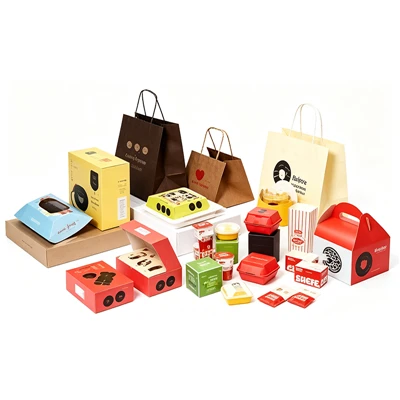
I get it—if you’re anything like the small business owner I work with every day, you’ve definitely stared at a stack of corrugated boxes in your warehouse, rain lashing against the loading dock outside, and thought, “Wait, are these things actually gonna keep my stuff dry?” Or maybe you’ve sent a customer an order that got a little damp in transit, and spent way too long answering “why did this box get wet?” emails. As a corrugated packaging boxes supplier, I get these questions way more than I’d like, so I figured I’d break this down straight—no fancy industry jargon, just the real stuff you need to know. Let’s cut through the noise: corrugated boxes aren’t inherently waterproof. But here’s the good news—they’re not hopeless, either. The line between “totally fine” and “total soggy mess” actually comes down to a few tiny, easy-to-miss details that most suppliers (even some big-name ones) won’t tell you.
First off, let’s get the basics out of the way. Corrugated cardboard is made from wood pulp, right? That’s the same stuff you’d find in paper, and paper absorbs water like a sponge—plain and simple. If you take a regular, off-the-shelf box from the corner store, leave it out in a light drizzle for an hour, or drop it in a puddle, it’s gonna soak up water fast. The fibers swell, the glue that holds the fluted middle (that wavy stuff between the two flat liners) breaks down, and suddenly your box is floppy, can’t hold any weight, and might even tear in half if you pick it up. I’ve seen this happen a hundred times—last month, a local candle shop I work with used cheap plain boxes for their holiday shipments, and a rainstorm during a delivery delay turned 120 orders into a pile of wax and soggy cardboard. Total disaster.
But wait—before you go tossing all your corrugated boxes for something else, let’s talk about the exceptions. Not all corrugated is created equal. There’s a whole range of coatings and treatments that suppliers like us use to boost water resistance, and they’re not all the same. Let’s break down the common ones you’ll run into, because that’s the stuff that actually makes a difference.
First, there’s coated linerboard. A lot of standard shipping boxes have a thin plastic-like coating (usually polyethylene, or PE for short) on the outside. This stuff is super common because it’s affordable and easy to apply. The coating creates a barrier that water can’t get through easily—like a rain jacket for your box. Now, is it waterproof? Not exactly. If you submerge it in water, or leave it in heavy rain for days, water will eventually seep through the seams (those little gaps where you tape the box shut) or if the coating gets scratched. But it’s way better than plain cardboard for light moisture, splashes, or even being stacked in a slightly humid warehouse for a week. I always tell my clients that these coated boxes work great for online orders that might get dropped in a puddle at the post office, or for products like hardware that don’t need to stay bone-dry forever.
Then there’s the more heavy-duty stuff: water-resistant (sometimes called “waterproof” in marketing, but again, it’s nuanced) corrugated that uses a different treatment, like wax coating, or even specialized pulp that’s treated with chemicals to repel water. Wait, waxed corrugated—you’ve probably seen these at farmers markets, or for shipping fresh produce, right? They’re soaked in molten wax, so every fiber is coated. These are way more resistant to water. I once had a local farm send me their apple shipments in waxed boxes, and they left a stack out in a rainstorm for 18 hours while they waited for a new delivery truck. The boxes didn’t hold water, didn’t get soggy, and when we picked them up, the apples were still dry. The downside? Waxed boxes are less recyclable than coated or plain ones—most curbside recycling programs won’t take them, because the wax breaks down the pulp recycling process. That’s a big one for small businesses that want to keep their packaging eco-friendly, so I always warn clients about that trade-off.
Another thing most people don’t know: the fluted medium (the wavy middle part of the corrugated board) makes a huge difference too. Double-wall or triple-wall corrugated isn’t just stronger for heavy items—it also has more layers of protection against water. If you need to ship something fragile, like glass or electronics, and it might be exposed to moisture, a double-wall box with a water-resistant coating is way better than a single-wall one. The extra layers mean even if a little water gets through the outer liner, it has to go through two more layers of barrier before it reaches the contents. I learned this the hard way last year when a client shipped vintage vinyl records in single-wall coated boxes—one order got stuck in a rain delay for three days, and the inner sleeves got damp, warping the records. Switched them to double-wall boxes, and we haven’t had that problem since.
Now, let’s talk about what most suppliers don’t tell you, and why that matters. A lot of companies will slap a “waterproof” label on a box that’s just coated with a thin layer of PE, and that’s misleading. Don’t get me wrong—those boxes do a good job for light exposure, but they’re not gonna hold up to a downpour. We got a call last month from a restaurant supply company that bought boxes from a big national supplier, labeled “waterproof,” and when they shipped bulk bags of rice out to a disaster relief site that was flooded, 80% of the boxes had soaked through. Turns out the supplier had used the thinnest PE coating possible to cut costs, and when the boxes were stacked in a puddle for two days, water seeped right through. At our company, we always give clients the real specs: if you need “waterproof” for full submersion, we use waxed corrugated. If you need water-resistant for shipping delays or light splashes, we use our heavy-duty coated boxes. No misleading labels, just honest info.
There’s also a big difference between water resistance and humidity resistance. A lot of people mix these up. Humidity is long-term exposure to moisture in the air—like a storage unit in Florida that’s 90% humidity year-round. Corrugated boxes, even the best coated ones, will eventually absorb moisture over weeks or months in high humidity, because the barrier isn’t perfect. If you’re storing products long-term in a damp space, you’re better off with a plastic bin, not corrugated. But if it’s a few days or a week, even in a slightly humid space, a good box will hold up. I had a client who stores handmade pottery—they used to keep corrugated boxes in their basement, and after a month, the corners were soft. We switched them to our specialty high-humidity resistant coated boxes, and they’ve had no issues for over six months now. The coating is thicker, and we use a special adhesive that’s designed not to break down in damp air, so that’s the key difference.
Wait, what about when you seal the box? That’s another part most people forget. Even the most water-resistant box will fail if you use cheap tape, or if you leave gaps in the seams. I always use heavy-duty acrylic packing tape (not that cheap generic stuff from the dollar store) when I’m sealing our boxes, and I make sure to seal all the seams, including the top and bottom flaps. If there’s a tiny gap between two flaps, that’s where water will get in, even if the box itself is coated. I learned this when I first started in the packaging business—my first big order was for a craft beer company, and I forgot to seal the end flaps of some boxes. When they were shipped to a festival in a rainstorm, half the boxes got wet through the unsealed ends. That mistake cost me a lot of money, and it’s why I now give every client a quick little “sealing tips” sheet that’s not just about making the box strong, but keeping water out too.
Let’s also talk about common myths, because there are a ton of them out there. First myth: “All brown corrugated is more water-resistant than white.” No, that’s not true. The color is just from the dye added during manufacturing. A white coated box can be just as water-resistant as a brown one, or more, depending on the coating. Myth number two: “If a corrugated box gets damp, it’s ruined.” Sometimes, but not always. If it’s just a light splash, and you let it dry completely (air dry, not with a hair dryer or heat, because that can warp the fibers), it might still be usable, just a little weaker than before. If it’s soggy, and the fibers are swollen and the glue is coming apart, then yeah, it’s done for. But a light dampness? Don’t toss it right away. I’ve saved plenty of boxes that got a little wet on the loading dock by setting them in a dry spot for a day. Myth three: “Waterproof corrugated is way more expensive.” It can be, but not always. For small businesses, we have a range of options—our standard coated boxes are only a few cents more than plain boxes, so it’s a small cost for a lot more protection. The waxed heavy-duty ones are a little more, but if you need them, it’s worth it.
At the end of the day, the answer to “are corrugated packaging boxes waterproof?” is: it depends. If you need a box that can sit in water for hours, no—that’s not possible with corrugated. But if you need a box that can handle light splashes, shipping delays, slightly humid storage, or a little rain during delivery? Yes, with the right coating and construction, corrugated can be super water-resistant, and way more eco-friendly than plastic packaging. We work with all kinds of clients—from small Etsy shops shipping handmade jewelry to large food distributors that need to keep products dry in transit—and we never push a one-size-fits-all solution. We ask questions: where are you shipping? How long will the package be in transit? Is it going to be stored in a damp space? How heavy are the contents? Then we recommend the right box for their needs, no marketing fluff, no hidden costs.
If you’re tired of dealing with soggy boxes, lost products, or confused answers from your current supplier, let’s talk. We can walk through your specific needs, show you samples of our water-resistant and heavy-duty corrugated boxes, and figure out the best solution for your business. No pressure, no weird sales pitches—just honest packaging advice that keeps your products safe and your customers happy.
Printed Packaging Boxes References
- TAPPI. (2021). Corrugated Fiberboard Water Resistance: Testing Methods and Performance. Technical Paper No. 1501.
- Packaging Association for Corrugated Board Manufacturers (PACBM). (2022). Sustainable Corrugated Packaging Solutions for Moisture Exposure. Industry Report.
- Smith, J. (2020). Practical Guide to Corrugated Box Performance in Humid and Wet Environments. Journal of Packaging Technology and Science, 33(4), 189-205.
Hangzhou Boyi New Material Co., Ltd.
With abundant experience, we are one of the most professional corrugated packaging boxes manufacturers and suppliers in China. Please rest assured to wholesale bulk corrugated packaging boxes in stock here and get quotation from our factory. We also accept customized orders.
Address: No. 367 Hujia, Zidong Village, Heshang Town, Xiaoshan District, Hangzhou City
E-mail: 18357273311@163.com
WebSite: https://www.boyinm.com/
