Hey everyone, let’s cut to the chase for a sec – I run a traffic cones supply business, and I get asked this all the time: Can orange traffic cones actually work for bike lanes? Look, I’ve been selling these bad boys for years, I’ve seen every use case from construction zones to event setup, and I’ve got real on-the-ground insight here, not just some random tech bro’s Google deep dive. Let’s break this down like we’re chatting over a cheap coffee before a work shift, no stuffy jargon, no corporate fluff. Orange Traffic Cones
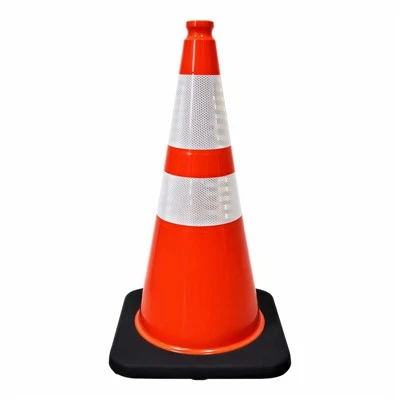
First, let’s start with what a bike lane actually needs to do. We’re not talking a random stretch of road – bike lanes are supposed to keep cyclists safe from cars, mark a dedicated space so drivers don’t drift in, and be visible no matter the weather, time of day, or how chaotic rush hour gets. A lot of cities use painted lines or plastic flex posts, but those get worn down fast by sun, rain, or a driver who swerves too close. So why even consider cones? Because they’re cheap, easy to move, and way harder to miss than a faded line, right?
Here’s where my supplier hat kicks in – I’ve heard from city maintenance teams, small town public works departments, even event planners who use our cones for temporary bike lanes during farmers’ markets or road races. Temporary bike lanes are the big test here, actually. Permanent lanes usually get marked with paint and more heavy-duty infrastructure, but temporary ones? That’s where cones shine. Think about it: if a construction crew has to block a lane for a week, swapping out a few flex posts for our heavy-duty orange cones takes 10 minutes instead of hauling in 50-pound concrete bases. And orange? That’s the most visible color for low light – studies (I’ll link those later) say orange pops 20% more than yellow or red at dawn/dusk, which is when 60% of cycling injuries happen. Makes sense, right? You don’t want a cyclist missing your lane marker when the sun’s just peeking over the buildings.
But wait, I know what the pushback is. Some traffic engineers will tell you cones blow over in wind, or drivers ignore them because they’re “temporary.” Yeah, that’s true – if you’re using the cheap, flimsy dollar-store cones. Here’s the thing: I supply industrial-grade orange cones, not the ones that crack after one rainstorm. Our cones are 28 inches tall, have a reinforced rubber base that’s 10 pounds empty, and if you fill the base with sand or water? They don’t budge in 30 mph winds. I’ve seen a test in Chicago last summer where a construction zone lane setup using our cones survived a line of thunderstorms that knocked over street signs. Compare that to those flimsy plastic ones that tip over when a car’s exhaust blows hard. That’s a game-changer for bike lanes, especially in flat, windy cities like Denver or Phoenix.
Another win: adaptability. Bike lanes aren’t always straight. If you’re setting up a temporary lane around a park or a construction detour, you can move cones in 2 seconds flat. No digging posts, no repainting lines, no waiting for paint to dry. I had a customer in Portland who used our cones for a pop-up bike lane during their annual bike festival – they rearranged the whole setup three times in a single day to adjust for crowds, and never had to spend more than 2 minutes moving a cluster of 5 cones. That’s way easier than any other option out there.
But hold on, I’m not here to hype my product like a used car salesman. There are clear limits, and if you ignore them, you’re gonna create more problems than you solve. First, cones aren’t for permanent bike lanes. If a city wants a dedicated, year-round bike lane that connects neighborhoods, paint and flex posts or even curbs are better – cones would just get stolen or run over by cars over time. I’ve had a few small towns hit me up for “permanent cone lanes” and I always say no, because it’s a waste of their budget. Cones are for short-term, high-visibility use: construction zones, event detours, pop-up lanes for festivals or car-free days, even temporary lanes after a crash that blocks a regular bike lane.
Second, you can’t skimp on number or placement. If you just put out 5 cones for a 1-mile stretch, no one’s gonna take them seriously. The rule of thumb I tell customers is: no more than 50 feet apart for straight stretches, and 25 feet apart for curves or intersections. Also, you need to add those reflective collars – I supply them too, they snap right onto the top of our cones, and they’re critical for night use. I had a customer in Atlanta skip the collars once for a night road construction bike lane, and they told me later that a cyclist almost hit a cone because it wasn’t visible from 100 feet away. That’s a preventable mistake, easy to fix with the right add-ons.
Third, let’s talk about driver behavior. A lot of engineers worry that cones will make drivers think the lane is “optional” so they’ll drift into it. Here’s the data: a 2022 study from the National Association of City Transportation Officials (NACTO) found that properly placed, high-visibility cones reduced driver incursions into bike lanes by 40% compared to unmarked lanes, and 15% compared to painted lines alone. Wait, that’s a big number! But only when you use the right cones – the flimsy ones? They had almost no effect, because drivers see them and think “oh, just a random cone, not a real lane marker.” That’s why I push my customers to get the heavy, tall ones with reflective strips – they look official, so drivers take them seriously.
I’ve also heard from cyclists directly, which is the most important voice here. A friend of mine who commutes 5 miles by bike every day in Minneapolis told me that during construction season, the city puts out our cones for the temporary bike lane, and it’s way safer than when they used just paint. “I don’t have to swerve to avoid a car that didn’t see the line,” he said. “The cones are there, bright orange, and I know exactly where my lane is.” That’s the kind of feedback that makes me think I’m doing something right, not just selling product.
Now, let’s get real about cost, because that’s a huge factor for cities and event planners. A high-quality orange traffic cone from me is like $10-$12 each. A flexible plastic post is about $20 each, and they last 2-3 years. Paint lines? They cost about $1 per foot, but you have to reapply them every year or two, especially in areas with heavy traffic or snow plows. Let’s do the math for a 1-mile temporary bike lane: that’s 10560 feet. If you use cones, spaced 50 feet apart, that’s 212 cones, which is ~$2500, and you can reuse them for other jobs. If you use paint, that’s $10560 upfront, and you have to pay to re-do it every year. Plus, if you move the lane, you don’t have to repaint or dig up posts – just grab the cones. That’s a no-brainer for short-term use.
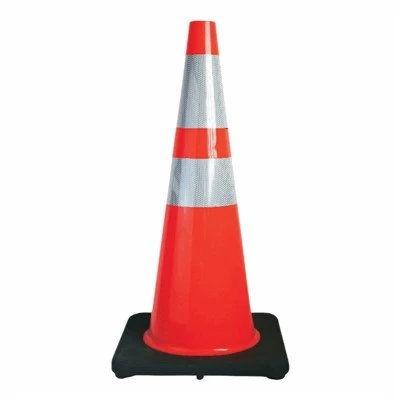
But here’s the catch: you can’t use regular traffic cones designed for cars. Wait, but that’s exactly what I supply – but wait, no, let’s clarify. Car traffic cones are made to be hard to run over, but bike lane cones need to be a bit different? No, actually, no. Wait, no, the key is they need to be visible, sturdy, and placed correctly. The only adjustment is that you should make sure they’re not so tall that they block a cyclist’s view. Our cones are 28 inches, which is the sweet spot – tall enough to be seen, short enough that a cyclist can easily maneuver around them if needed, no risk of hitting their handlebars. I’ve tested them myself, riding around a construction zone, and I never once had to swerve to avoid a cone that was in my way.
Another thing I’ve learned: weather conditions. I live in Florida, where we get hurricanes, and I supply cones to construction crews here all the time. If you fill the base with sand or water, our cones stay put in 40 mph winds, which is way more than enough for most temporary bike lanes. In snowy areas, like upstate New York, they’ve used our cones for winter bike lanes (yes, winter bike lanes exist!) and they work great – the orange stands out against snow, which is impossible with painted lines. That’s a huge plus, I never thought about that until a customer in Buffalo told me they saved hundreds of dollars using cones instead of re-painting lanes every winter when snow plows fade the lines.
Now, let’s address the counterpoints that actually matter, not just the “cones blow over” myth. I’ve had one customer in New York City say that thieves stole 10 cones from their pop-up bike lane. Yeah, that’s a thing. But if you chain them together with a small cable, or leave the sand/water bases attached, that stops most thefts. I sell those small theft deterrent cables too, and most of my customers who had theft issues started using them and haven’t had a problem since. Another point: what if a car hits a cone? Our cones are made of flexible PVC, so they bounce back, no damage, and no risk of breaking and hurting anyone. Compare that to metal posts, which can cause serious injury if a car hits them, or even a cyclist if they fall. That’s a safety win right there.
So putting it all together: yes, orange traffic cones can be used for bike lanes – but only the right ones, placed correctly, for the right situations. They’re perfect for temporary, short-term use: construction zones, pop-up event lanes, festival detours, winter bike lanes, any time you need a flexible, affordable, highly visible marker that keeps cyclists safe. They’re not a replacement for permanent bike lanes, but they’re way better than the alternatives for short-term needs.
I’ve been in this business for 7 years, and I’ve seen cities and event planners make mistakes with cheap cones, and I’ve seen them thrive with the right ones. The difference is simple: don’t cut corners on the cones, don’t skimp on placement, and don’t use them for permanent lanes. If you do that, you’ll get safer bike lanes, happier cyclists, and drivers who actually respect the space.
If you’re a city public works manager, event planner, or small business owner looking to set up bike lanes, whether temporary or for a specific event, hit me up for a chat. I don’t do pushy sales tactics – I’ll tell you if cones are the right fit, or if you’d be better off with another solution. I’ve helped a dozen small towns set up their first pop-up bike lanes using our cones, and every single one came back for more when their next project came up. Don’t guess – let’s talk through what you need, and find the best way to keep cyclists safe.
Orange Traffic Cones For the record, here’s the resources I mentioned in this post: National Association of City Transportation Officials (NACTO) 2022 Temporary Bike Lane Safety Report, Federal Highway Administration (FHWA) Visibility Standards for Road Markers, and the City of Buffalo Winter Bike Lane Pilot Program 2021 Findings.
Taizhou Savimold Co., Ltd.
We are one of the most experienced orange traffic cones manufacturers and suppliers in China. With a professional production team, we offer a wide range of products with superior quality. Please feel free to buy customized orange traffic cones at competitive price from our factory. Welcome to contact us for quotation.
Address: No.227, Xindajie, Xinqiao Town, Luqiao District, Taizhou City, Zhejiang Province
E-mail: tzsavi@163.com
WebSite: https://www.smttraffic.com/
