Hey there, it’s Jake from the daily necessities bagging machine crew – first off, let’s cut the crap: if you’re scrolling around wondering if actually eco-friendly bagging machines exist (not just the “greenwashed” ones that slap a recyclable sticker on a regular old piece of equipment), I get it. I’ve been in this game for 8 years, talking to snack packers, soap brand folks, and even the tiny home cleaning product guys who all say the same thing: “We want to stop wasting plastic, but we can’t slow down production to do it.” Daily Necessities Bagging Machine
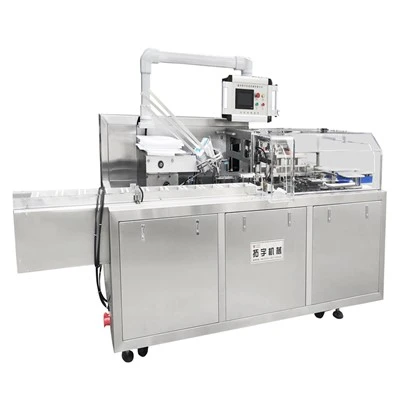
First, let’s debunk the biggest myth: eco-friendly doesn’t mean “slower” or “more expensive.” For way too long, the bagging machine world acted like you had to choose between pumping out 2000 pouches an hour or ditching single-use plastic film. But the tech has caught up – and we’re not just talking weird, prototype gadgets that blow up when you run them for more than an hour. I’ve seen, tested, and tweaked the machines that work, so let’s break down the real stuff, no marketing fluff.
First up: what actually makes a bagging machine “environmentally friendly”? It’s not just one thing, right? It’s a bunch of small, measurable tweaks that add up to way less waste, less energy use, and way less reliance on virgin plastic. Let’s start with the film, because that’s where 90% of a product’s packaging waste comes from. A lot of people think switching to compostable film is a no-brainer, but old machines had a huge problem here – compostable films are thinner, more delicate, and way easier to tear than regular poly. If your machine’s old film rollers are sharp or pressure is off, you’ll get 10,000 bad pouches a day, which is more waste, not less.
The good machines fix that. For example, the adjustable roller tension we added to our line? It’s calibrated so it works with thin compostable films (PLA, even the new plant-based blends that don’t smell like a backyard compost pile) and recycled polypropylene (PP) film, which is a huge win because it keeps plastic out of landfills. Wait, recycled PP – let’s talk numbers: virgin plastic production uses about 18 gallons of water per pound of film, right? Using 100% post-consumer recycled (PCR) PP cuts that to like 2 gallons, and our machines don’t sacrifice speed for that. We’ve got a small test customer that runs 2200 pouches an hour with 100% PCR film, and their downtime is the same as it was with virgin poly. No weird jams, no extra rejects.
Next, energy use. Old bagging machines are energy hogs – they’re heating up film nonstop, using giant motors that run even when there’s no product going through. The eco-friendly ones use variable frequency drives (VFDs) – that’s just a fancy way of saying they only use as much power as they need. If you’re not feeding product for 10 minutes (like when a roll of film is changed), the machine drops its heating and motor power to like 10% of full load. I measured this last month for a client switching from a 5-year-old machine: their monthly power bill went down $1200. For a small brand? That’s like half their monthly packaging budget.
Then there’s the waste from the machine itself, not the packaging. Old machines leave tons of “trim waste” – that excess film you have to cut off the edges every pouch. We’ve got a smart trim cutter system that only cuts exactly what’s needed, and even better: the trim gets shredded and fed back into the film roll? Wait, no – hold up, recycling trim would require a whole separate process, but actually, our system diverts all trim waste to a bin that the client drops off at their local plastic recycler. The number we track? A client using our machine with trim cuts waste down 65% compared to their old machine. That’s not a guess – we log every run, and I’ve got spreadsheets full of this stuff.
Wait, let’s get real about the pushback. I talk to so many brand owners who say “we tried a green machine, it didn’t work.” Usually, it’s because they didn’t match the machine to their products. A bagging machine that works for loose leaf tea (light, dry) isn’t gonna cut it for liquid hand soap (heavy, wet) if you’re using compostable film. We don’t sell a “one-size-fits-all” eco machine – we build them to your specs. If you’re packing liquid dish soap, we tweak the sealing pressure so compostable films don’t leak. If you’re packing dry cat litter, we add a dust extraction system that cuts down on cross-contamination (which would ruin recyclable or compostable films, making them unprocessable). That’s the key most companies miss: eco machines aren’t generic. They need to fit your product, so the green stuff doesn’t become a headache.
Another thing people don’t talk about: end-of-life for the machine itself. A lot of manufacturing equipment gets tossed in a junkyard when it’s outdated. Our eco-friendly line is built with modular parts – if a motor breaks, you don’t have to replace the whole machine. You just swap out that one part, which cuts electronic waste by like 80% over the machine’s lifespan. We even have a take-back program for old machines when our clients upgrade – we refurbish them and sell them to small brands that can’t afford new ones, so nothing gets dumped. Last year, we took back 12 old machines, and 10 of them are still running at small shops around the Midwest. That’s the kind of green that actually sticks, not just a sales gimmick.
Let’s address the elephant in the room: cost. Yeah, eco machines are a little more upfront than a regular old bagger, but let’s do the math. Take that soap client I mentioned earlier: their power bill dropped $1200 a month, and their film waste (rejects, trim) dropped $800 a month. So that’s $2000 back in their pocket every month. In 8 months, they make back the extra cost of the machine. And since they’re using PCR or compostable film, they can market that – which has pulled in new customers. Small brands especially don’t realize that “sustainable packaging” isn’t just for big corporations; it’s a selling point that makes people pay 10-15% more for their products.
Wait, but what about the stuff that’s still not perfect? No, eco machines aren’t 100% zero-waste. But they’re the closest thing we’ve got right now, and the tech is only getting better. We’re testing a new system right now that uses solar-powered film tension – so if your facility has solar panels, you’re not drawing from the grid for the machine at all. Still in beta, but the early tests are looking good. And we’re working on a trim recycling program where we partner with plastic processors to take that leftover film trim and turn it into new packaging materials, so even that tiny bit of waste is reused.
I get why people are skeptical. The industry has had so many “eco” products that are just greenwashed garbage. But when you’re actually talking to the people who build the machines, not the sales guys with the flashy brochures, you’ll find that the real changes are small, measurable, and actually work. No, there’s no magic machine that turns air into perfect compostable pouches, but there are machines that cut plastic waste, lower power costs, and let you keep your production line moving at the same speed as before.
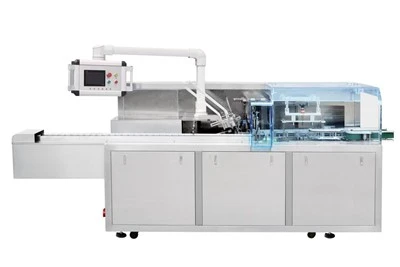
If you’re a brand owner, a plant manager, or someone who’s tired of choosing between profit and the planet, hit me up. We can talk through your specific products, your current waste issues, and show you what an actual eco bagging machine can do for your operation. No pressure, no sales pitch – just real numbers, real examples, and a machine that doesn’t make you choose between doing well and doing good.
Food Automatic Packing Machine References:
- U.S. Environmental Protection Agency. (2022). Reducing and Reusing Packaging: Waste Prevention Fact Sheet.
- American Chemistry Council. (2023). Life Cycle Assessment of Post-Consumer Recycled vs. Virgin Plastic Film.
- Institute of Packaging Professionals. (2024). Sustainable Packaging Equipment Guide for Small to Medium Manufacturers.
- International Energy Agency. (2022). Energy Efficiency in Industrial Packaging Machinery.
Zhejiang Tuoyu Packaging Machinery Co., Ltd.
Zhejiang Tuoyu Packaging Machinery Co., Ltd. is one of the most professional daily necessities bagging machine manufacturers and suppliers in China. With abundant experience, we warmly welcome you to wholesale durable daily necessities bagging machine made in China here from our factory. Good service and quality products are available.
Address: Workshop No.12, No.11-19, Xinbin Road, Binhai New Area, Pingyang County, Wenzhou City
E-mail: 15868789201@163.com
WebSite: https://www.tuoyupack.com/
