Hey there! If you’ve landed here, you’re probably either a farmer, a crop supplier, or another BOPP fertilizer bag user who’s stared at that stack of empty bags after unloading a truckload of nitrogen or potassium, wondered “what now?”, and felt that twinge—like you’re tossing something that’s not quite a regular plastic bag, but also doesn’t feel right to just dump in the trash. Bopp Fertilizer Bags
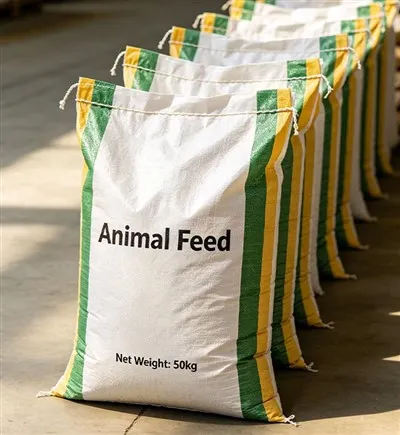
I’m Jake, and for the last 7 years, I’ve been the guy who runs the BOPP fertilizer bag supply side of things. That means I don’t just sell you the bags— I’ve spent way too many afternoons chatting with farmers across the Midwest and South who’ve dealt with the post-application bag pileup, and even dug into the science of what these bags actually are, because let’s be real: a lot of bag suppliers just toss you a product and ghost you on the “what to do with it later” stuff.
First off, let’s get one thing straight: BOPP stands for biaxially oriented polypropylene, right? But don’t let the fancy name scare you— it’s not the same thin, crinkly grocery store plastic bag you bring home from the market. BOPP fertilizer bags are actually a multi-layered combo: there’s a core polypropylene layer for strength (so it can hold 50 lbs of fertilizer without splitting down the side), usually a thin polyethylene liner on the inside to keep fertilizer dust from sticking, and sometimes a small layer of food-safe wax or a UV inhibitor to make the bag last through storage. That mix is why disposing of them isn’t as simple as “recycle regular plastic”— it’s also why they’re way more durable than single-use plastics, which is exactly what makes them useful for hauling bulk fertilizer.
So why is proper disposal even a big deal? Let’s break down the science quick. Polypropylene (PP) is a thermoplastic, which means it can be melted down and remade into new stuff— but only if it’s not contaminated. That wax or fertilizer residue? If it doesn’t get removed during sorting, it ruins the entire batch of recycled plastic. A 2022 study from the American Society for Testing and Materials (ASTM) found that when multi-layered bags like these are tossed into regular curbside bins, they get mixed in with high-density polyethylene (HDPE) water bottles or other single-use plastics, and the combination of layers means sorters can’t separate them. That ends up with most BOPP fertilizer bags either going to a landfill (where they take 20-30 years to break down, way longer than necessary) or getting incinerated, which releases small amounts of volatile organic compounds (VOCs) that aren’t great for air quality. Not exactly the kind of footprint we want to leave, right?
Now, let’s talk about what actually works— no fluff, just steps I’ve tested with my customers and that line up with industry best practices. Let’s start with the most accessible options, because not everyone has a fancy recycling program in their town.
First up: Local Agricultural Recycling Programs. Wait, I know what you’re thinking— “ag recycling? That’s a thing?” Yeah, it is, and it’s way bigger than most people realize. Most rural counties, especially in farming-heavy states, have set up collection points for agricultural plastics (ag plastics, as we call ’em) for exactly this stuff— fertilizer bags, seed bags, even silage wrap. I work with a handful of farmers who drive 15 minutes to their county’s ag recycling drop-off once a quarter, and those programs actually separate BOPP fertilizer bags, clean them (or at least get most of the fertilizer dust off), and send them to a recycler that turns ’em into stuff like new fence posts, garden edging, even plastic lumber for playgrounds. Pro tip: Don’t toss those bags loose— bring them in tied bundles, same as you would a stack of hay bales. And don’t mix ’em with grocery bags or single-use plastic bottles, because that just messes up the sorting. I always tell my customers, if your local county doesn’t list ag recycling, call their extension office— they’ll know the nearest drop-off, no guesswork.
If ag recycling is an hour away or doesn’t exist in your area, next option is Commercial Polypropylene Recycling. This is for when you can’t get to an ag program, but you don’t want to toss ’em in the trash. A lot of small recycling companies specialize in hard-to-recycle plastics like multi-layered PP bags. The catch here is that you can’t just dump a pile of dirty bags on their doorstep— you need to clean ’em first, or at least do your best to get the excess fertilizer off. Here’s how I teach my customers to do that: Lay the bags out on a flat driveway or tarp, hose ’em down with a garden hose (no pressure washer, that just tears the bags apart), then let ’em dry in the sun for a day or two. If the bags have any caked-on fertilizer, a quick scrub with a stiff brush and some dish soap works— no need to get ’em spotless, just get the big chunks off. Once they’re dry, you can stuff ’em into other empty BOPP bags (that’s a trick I learned from a farmer in Iowa) to keep them from blowing around when you transport them. And here’s the thing: I’ve had a couple customers tell me their local hardware store or feed mill will take clean BOPP fertilizer bags for their own recycling programs— most small businesses don’t have a lot of plastic waste, so a few stacked bags are easy for them to pass along to their recycler. No extra trip needed.
Wait, what about reusing the bags? Let’s be real, a lot of people do this already, and it’s a solid option— I’m not gonna knock it. I’ve seen farmers use empty BOPP fertilizer bags to haul garden soil, store small tools, even line trash cans for the farmyard. The key here is making sure they’re completely clean before reusing— any leftover fertilizer can contaminate whatever you store later, especially if you’re using them for food-related stuff like vegetable soil. Also, if you do reuse them, that’s extra time they’re not ending up in a landfill, so that’s a win. But here’s the catch: Once a bag gets a tear or a hole, it’s time to retire it— don’t try to patch it and use it for another load, because a leaking bag is just messy, and if you toss a torn one in recycling, it’s way harder to sort.
Now, let’s talk about the options you should avoid— I see way too many people make these mistakes, and it’s frustrating because it’s totally preventable. First, DO NOT toss these in your regular curbside recycling bin. I know, I know— a lot of curbside programs say they take all plastics, but BOPP fertilizer bags are multi-layered, and most curbside sorters can’t separate them from other plastics. Last year, a customer in Ohio told me he put 20 empty bags in his curbside bin, and the recycler rejected the whole bin because of them— that means all his other recyclable stuff (the water bottles, the cereal boxes) went to the landfill. Don’t do that. Second, DO NOT burn them in your backyard. I know some folks burn trash to get rid of stuff, but BOPP bags release fumes when burned that aren’t good for you or the environment— way worse than burning regular wood. Even if you think “it’s just plastic,” backyard burning of multi-layered plastics is illegal in most states, and it’s a quick way to get a fine. Third, don’t leave them blowing around your property— I’ve seen bags get stuck in fence lines, wash into creeks, even end up in animal pastures. If you can’t get to recycling right away, store them in a shed or a locked bin until you can drop them off— that’s a 2-minute fix that keeps them out of the wild.
Wait, one more thing— what if you’re a small-scale user, like a home gardener who buys a 50-lb bag of fertilizer once a year, not a commercial farmer? I get it, the big ag recycling programs aren’t set up for your 2 or 3 bags. For that, the best option is to drop them off at a local recycling center that accepts hard plastics— a lot of them have a “special plastics” bin for stuff that’s not grocery bags or water bottles. If you can’t find that, a lot of national chain stores (like farm supply stores, which are everywhere in suburban and rural areas) will take small amounts of clean BOPP fertilizer bags for recycling. I work with one big farm supply chain that has bins at every location for this exact reason— just ask the employee at the front desk, they’ll point you to the bin. No need to drive 30 miles for that.
Now, as someone who sells these bags, let me be transparent: We don’t just make bags that break after one use. We make them durable because we want them to work for you, not against you. That’s why we also take steps to make disposal easier— we print our contact info on every bag, so if you have questions about where to drop them, you can shoot us a note. We also work with a network of local recyclers across the country, so if you’re a customer who’s got a stack of bags and no clue what to do, reach out and we’ll hook you up with a nearby drop-off or a way to send them for recycling.
Here’s the thing: Proper disposal of BOPP fertilizer bags isn’t just about checking a box for environmental responsibility. It’s about making sure that the product you used to get your crops to grow doesn’t end up harming the land that feeds people. I’ve talked to so many farmers who care about the environment, but they’re so busy planting and harvesting that they don’t have time to research the right way to get rid of these bags. That’s why I’m putting this out there— to clear up the confusion, because you shouldn’t have to figure this out on your own.
If you’re a farmer, a crop buyer, or anyone who uses these bags and wants to make sure you’re doing right by the planet, let’s chat. We can talk about bulk supply (if you need more bags for next season) or about local recycling options in your area. No sales pitch, no hoops to jump through— just someone who’s been in this space long enough to know that helping you dispose of the bags properly is just as important as selling them.
References
Flood Control Sandbags ASTM International. (2022). Multi-Layered Polypropylene Recycling: Barriers and Solutions. ASTM Standards & Engineering Publishing.
U.S. Environmental Protection Agency. (2021). Agricultural Plastics Management: Best Practices for Disposal and Recycling. EPA Sustainable Materials Management Program.
National Agricultural Statistics Service. (2023). Agricultural Plastic Waste Survey: U.S. Crop Production. USDA.
Liaoning Xunlian Packaging Products Co., Ltd.
Liaoning Xunlian Packaging Products Co., Ltd. is one of the most professional bopp fertilizer bags manufacturers and suppliers in China, featured by quality products and good service. Welcome to wholesale CE approved bopp fertilizer bags made in China here and get quotation from our factory. Customized orders are welcome.
Address: Chaoyang Industrial Park, Kangping, Shenyang, Liaoning, China.
E-mail: info@xunlianpack.com
WebSite: https://www.xunlianpack.com/
