As a seasoned formwork accessory supplier, I’ve witnessed firsthand the critical role that surface treatments play in the performance and durability of our products. In the construction industry, formwork accessories are essential components that support the creation of concrete structures. The surface treatment of these accessories not only enhances their appearance but also significantly impacts their functionality and longevity. In this blog, I’ll delve into the various surface treatments available for formwork accessories, exploring their benefits, applications, and how they contribute to the overall success of construction projects. Formwork Accessory
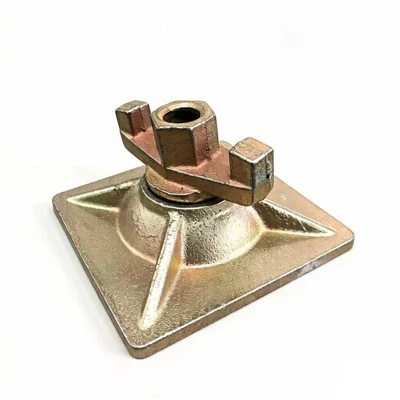
Galvanizing
Galvanizing is one of the most widely used surface treatments for formwork accessories. This process involves coating the metal accessories with a layer of zinc to protect them from corrosion. There are two main types of galvanizing: hot-dip galvanizing and electro-galvanizing.
Hot-Dip Galvanizing
Hot-dip galvanizing is a process where the formwork accessories are immersed in a bath of molten zinc at a temperature of around 450°C (842°F). This method creates a thick, durable zinc coating that provides excellent corrosion resistance. The zinc coating forms a physical barrier that prevents moisture and oxygen from reaching the underlying metal, thus protecting it from rust and corrosion.
One of the key advantages of hot-dip galvanizing is its long lifespan. The thick zinc coating can last for decades, even in harsh environmental conditions. This makes it an ideal choice for formwork accessories that will be exposed to outdoor elements or corrosive substances. Additionally, hot-dip galvanizing is a relatively cost-effective method of corrosion protection, especially when considering the long-term savings in maintenance and replacement costs.
Electro-Galvanizing
Electro-galvanizing, on the other hand, is a process where a thin layer of zinc is deposited on the surface of the formwork accessories using an electrical current. This method produces a smoother and more uniform coating compared to hot-dip galvanizing. Electro-galvanizing is often used when a more aesthetically pleasing finish is required, as the thin coating does not significantly alter the appearance of the accessories.
However, electro-galvanizing provides less corrosion resistance compared to hot-dip galvanizing. The thin zinc layer is more susceptible to damage and wear, which can reduce its effectiveness over time. As a result, electro-galvanized formwork accessories are typically used in less corrosive environments or for applications where appearance is a primary concern.
Powder Coating
Powder coating is another popular surface treatment option for formwork accessories. This process involves applying a dry powder to the surface of the accessories and then curing it in an oven at a high temperature. The powder melts and fuses to form a hard, durable coating that provides excellent protection against corrosion, abrasion, and chemicals.
One of the main advantages of powder coating is its versatility. The powder comes in a wide range of colors and finishes, allowing for greater customization options. This makes it possible to match the formwork accessories to the overall design of the construction project or to create a unique and distinctive look.
Powder coating also offers excellent environmental benefits. Unlike traditional liquid paints, powder coating does not contain solvents, which means there are no volatile organic compounds (VOCs) released into the atmosphere during the application process. This makes it a more sustainable and environmentally friendly choice.
In addition, powder coating provides a thick and uniform coating that is highly resistant to chipping, scratching, and fading. This makes it ideal for formwork accessories that will be subject to heavy use and wear.
Painting
Painting is a simple and cost-effective way to protect formwork accessories from corrosion and enhance their appearance. There are several types of paints available for this purpose, including epoxy paints, polyurethane paints, and acrylic paints.
Epoxy Paints
Epoxy paints are known for their excellent adhesion and chemical resistance. They form a hard, durable coating that is resistant to abrasion, impact, and chemicals. Epoxy paints are often used in industrial and commercial applications where the formwork accessories will be exposed to harsh conditions.
Polyurethane Paints
Polyurethane paints offer superior UV resistance and weatherability. They are often used for outdoor applications where the formwork accessories will be exposed to sunlight, rain, and other environmental elements. Polyurethane paints provide a high-gloss finish that is both attractive and durable.
Acrylic Paints
Acrylic paints are a popular choice for formwork accessories due to their ease of application and quick drying time. They offer good resistance to water and UV rays and are available in a wide range of colors. Acrylic paints are often used for decorative purposes or in applications where a fast-drying and low-odor paint is required.
Phosphating
Phosphating is a chemical treatment process that involves applying a phosphate coating to the surface of the formwork accessories. This coating provides a base for subsequent painting or powder coating, improving adhesion and corrosion resistance.
Phosphating works by creating a layer of phosphate crystals on the surface of the metal. These crystals act as a barrier, preventing moisture and oxygen from reaching the underlying metal and reducing the risk of corrosion. Additionally, the phosphate coating provides a rough surface that enhances the adhesion of paints and powder coatings, ensuring a more durable and long-lasting finish.
Phosphating is often used in combination with other surface treatments, such as painting or powder coating, to provide enhanced corrosion protection. It is a cost-effective method of improving the performance of formwork accessories and extending their service life.
Anodizing
Anodizing is a surface treatment process that is primarily used for aluminum formwork accessories. This process involves converting the surface of the aluminum into a hard, durable oxide layer through an electrochemical reaction.
The anodizing process creates a thick, porous oxide layer that provides excellent corrosion resistance, wear resistance, and aesthetic appeal. The porous nature of the oxide layer allows for the absorption of dyes, enabling a wide range of color options for the formwork accessories.
Anodized aluminum formwork accessories are highly resistant to corrosion, even in harsh environments. The oxide layer acts as a protective barrier, preventing the aluminum from reacting with oxygen and moisture in the air. Additionally, anodizing enhances the wear resistance of the accessories, making them more suitable for heavy use and high-traffic areas.
Choosing the Right Surface Treatment
When selecting a surface treatment for formwork accessories, several factors need to be considered, including the environment in which the accessories will be used, the expected lifespan of the accessories, the aesthetic requirements of the project, and the budget.
For formwork accessories that will be exposed to harsh environmental conditions, such as outdoor construction sites or areas with high humidity or chemical exposure, hot-dip galvanizing or anodizing may be the best options. These treatments provide excellent corrosion resistance and durability, ensuring that the accessories will last for many years.
If appearance is a primary concern, powder coating or painting may be more suitable. These treatments offer a wide range of color and finish options, allowing for greater customization and aesthetic appeal.
For applications where cost is a major factor, electro-galvanizing or phosphating may be considered. These treatments provide a good balance between cost and performance, offering adequate corrosion protection at a lower cost.
In conclusion, the surface treatment of formwork accessories plays a crucial role in their performance, durability, and appearance. By choosing the right surface treatment, construction companies can ensure that their formwork accessories will withstand the rigors of the construction process and provide long-lasting support for concrete structures.
As a formwork accessory supplier, we are committed to providing our customers with high-quality products that are treated with the most appropriate surface treatment for their specific needs. Whether you’re working on a small residential project or a large commercial development, we have the expertise and experience to help you select the right formwork accessories and surface treatments for your project.
If you’re interested in learning more about our formwork accessories and surface treatment options, or if you have any questions or need assistance with your project, please don’t hesitate to contact us. We’d be happy to discuss your requirements and provide you with a customized solution.
Scaffoldings References
- "Corrosion Protection for Steel Structures" by ASM International
- "Powder Coating Technology" by Springer
- "Anodizing of Aluminum" by William H. Safranek
Rizhao Wellfit Scafform Co., Ltd.
As one of the most professional formwork accessory manufacturers and suppliers in China, we have world-leading production equipment and strong manufacturing capabilities. Please feel free to buy high quality formwork accessory at competitive price from our factory.
Address: No. 7, Huasheng Road, Taoluo Town Industrial Zoon, Donggang District, Rizhao City
E-mail: sales@wfscafform.com
WebSite: https://www.wfscafform.com/
