Hey there, folks! I’m a supplier of soil sampling tools, and one question I get asked a lot is, "How often should soil sampling tools be cleaned?" It’s a great question, and the answer isn’t always straightforward. In this blog post, I’m gonna break it down for you and give you some tips on keeping your soil sampling tools in top shape. Soil Sampling Tools
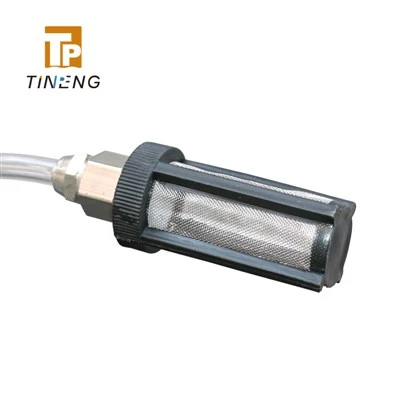
First off, let’s talk about why cleaning your soil sampling tools is so important. When you’re sampling soil, you’re collecting all sorts of stuff from the ground – dirt, rocks, roots, and even bacteria. If you don’t clean your tools properly, all that gunk can build up and affect the accuracy of your samples. Plus, dirty tools can spread diseases and pests from one site to another, which is a big no – no.
The frequency of cleaning your soil sampling tools depends on a few different factors. Let’s take a look at each of them.
1. Type of Soil
The type of soil you’re sampling plays a huge role in how often you should clean your tools. If you’re working in sandy soil, it’s generally less sticky and easier to clean off. You might be able to get away with cleaning your tools after every few samples. Sandy soil doesn’t have a lot of organic matter or clay particles that can cling to the tools, so it’ll just shake off or rinse off easily.
On the other hand, if you’re dealing with clay soil, things get a lot messier. Clay is sticky and can really coat your tools. I’d recommend cleaning your tools after every single sample in clay soil. The sticky nature of clay means that it can build up quickly, and if you don’t clean it off, it can change the soil composition of your next sample.
Loamy soil, which is a mix of sand, silt, and clay, is somewhere in the middle. You should probably clean your tools after every 1 – 2 samples. It has enough organic matter and fine particles to stick to the tools, but not as much as pure clay soil.
2. Sampling Environment
The environment where you’re doing the soil sampling also matters. If you’re in a relatively clean, uncontaminated area, you might not need to clean your tools as often. For example, if you’re sampling soil in a well – maintained garden, there’s less chance of picking up harmful substances or a large amount of debris.
But if you’re sampling in an industrial area, a landfill site, or a place with known contamination, you need to clean your tools after each and every sample. These areas can have heavy metals, chemicals, or pathogens that you don’t want to transfer from one sample to another. You don’t want to accidentally mix up contaminants and get inaccurate data.
3. Frequency of Sampling
How often you’re taking samples is another factor. If you’re doing a one – off soil sampling project, you can clean your tools thoroughly at the end of the day. But if you’re in the middle of a long – term sampling campaign where you’re taking multiple samples every day, you need to clean your tools more frequently.
For instance, if you’re taking 10 – 15 samples a day, I’d suggest cleaning your tools after every 3 – 5 samples to make sure you’re getting accurate results. This way, you can avoid cross – contamination and ensure that each sample represents the true soil conditions at the sampling site.
4. Type of Tool
Different soil sampling tools require different cleaning frequencies. For example, a simple hand trowel is easier to clean than a complex soil corer. A hand trowel can be quickly wiped off or rinsed under a tap. You might be able to use it for a few samples before giving it a proper clean.
A soil corer, on the other hand, has more nooks and crannies where soil can get trapped. It’s important to clean it after every sample or at least every few samples, depending on the soil type. The same goes for augers. They can collect a lot of soil inside the spiral, and if you don’t clean them regularly, it can affect the next sample.
How to Clean Soil Sampling Tools
Now that we’ve talked about how often to clean your tools, let’s go over the cleaning process.
First, you’ll want to remove any large chunks of soil. You can do this by tapping the tool against a hard surface or using a brush to scrape off the dirt.
Next, rinse the tool under running water. This will get rid of most of the remaining soil. If you’re dealing with stubborn dirt, especially in clay soil, you might need to use a mild detergent. Just make sure to rinse it off thoroughly so that no detergent residue is left on the tool.
After rinsing, dry the tool with a clean cloth. Moisture can cause rust, especially on metal tools, so it’s important to dry them completely. You can also apply a light coat of oil to metal parts to prevent rusting.
Maintaining Your Tools for Long – Term Use
Cleaning your soil sampling tools isn’t just about getting accurate samples; it’s also about making your tools last longer. Regular cleaning can prevent rust, corrosion, and wear and tear.
If you take good care of your tools, they’ll serve you well for years to come. A dull trowel or a rusty corer won’t work as effectively, and you might end up having to replace them sooner than you’d like.

So, to sum it all up, the frequency of cleaning your soil sampling tools depends on the type of soil, the sampling environment, how often you’re sampling, and the type of tool. As a general rule of thumb, clean your tools more often when dealing with sticky soil, contaminated areas, frequent sampling, or complex tools.
Binder Testing Equipment If you’re in the market for high – quality soil sampling tools, I’m here to help. I’ve got a wide range of tools that are durable, easy to use, and designed to give you accurate soil samples. Whether you’re a professional farmer, a researcher, or a gardening enthusiast, I’ve got something for you. Reach out to me if you’re interested in discussing your soil sampling tool needs. I’d love to have a chat and help you find the perfect tools for your projects.
References
- Brady, N. C., & Weil, R. R. (2016). The nature and properties of soils. Pearson.
- Klute, A. (1986). Methods of soil analysis: Part 1 – Physical and mineralogical methods. American Society of Agronomy.
Zhuozhou Tianpeng Imp. and Exp. Trade Co., Ltd.
Zhuozhou Tianpeng Imp. and Exp. Trade Co., Ltd. is one of the most professional soil sampling tools manufacturers and suppliers in China, featured by quality products and good price. Please rest assured to buy advanced soil sampling tools made in China here from our factory. Customized orders are welcome.
Address: Building C28, Hegu Technology Industrial Park, Development Zone, Zhuozhou, Hebei, China
E-mail: zhangdajing@testmould.com
WebSite: https://www.testmould.net/
