As a supplier in the water cooling systems industry, I often encounter various inquiries from customers. One question that has come up more frequently lately is whether water cooled systems can be used in high – altitude areas. This is a critical topic for users in mountainous regions, high – elevation industrial sites, or even for those planning to set up such systems in remote high – altitude applications. In this blog, I’ll delve into the technical aspects, potential challenges, and solutions related to using water cooled systems in high – altitude areas. Water Cooled
Understanding the Basics of Water Cooled Systems
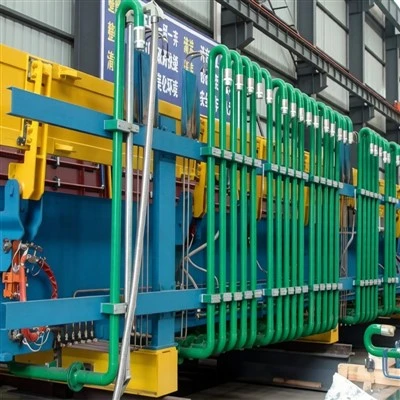
Before we discuss high – altitude applications, it’s essential to review how water cooled systems work. A typical water cooled system circulates water through a series of pipes, which are in contact with the components that need cooling. The water absorbs heat from these components and then transfers it to a heat exchanger, where the heat is dissipated into the environment. This process keeps the temperature of the equipment within an acceptable range, ensuring optimal performance and longevity.
Key Components
- Water Pumps: These are responsible for circulating the water throughout the system. They maintain a consistent flow rate, which is essential for efficient heat transfer.
- Heat Exchangers: As mentioned earlier, these devices remove heat from the water. They can be air – cooled or water – cooled themselves, depending on the specific application.
- Coolant Reservoirs: These store the water or coolant mixture and often include features for refilling and monitoring the coolant level.
Challenges of Using Water Cooled Systems at High Altitudes
High – altitude areas present several unique challenges for water cooled systems. These challenges are mainly related to the physical properties of water and the atmospheric conditions at high elevations.
Lower Atmospheric Pressure
One of the most significant factors at high altitudes is the lower atmospheric pressure. As elevation increases, the air pressure decreases. This lower pressure affects the boiling point of water. At sea level, water boils at 100°C (212°F), but at an elevation of around 3,000 meters (9,800 feet), the boiling point drops to approximately 90°C (194°F). This means that in high – altitude areas, water in a water cooled system can boil more easily, leading to potential issues such as vapor lock in the pipes, reduced heat transfer efficiency, and damage to the system components.
Temperature Variations
High – altitude regions often experience significant temperature variations, both between day and night and across different seasons. These temperature swings can pose challenges for water cooled systems. In cold conditions, the water in the system can freeze, causing pipes to burst and damaging the pumps. On the other hand, during hot days, the lower boiling point of water due to the lower atmospheric pressure can exacerbate the overheating problem.
Air Density
The air density at high altitudes is lower than at sea level. This affects the performance of air – cooled heat exchangers, which rely on the movement of air to dissipate heat. With less dense air, the heat transfer rate from the heat exchanger to the environment decreases, reducing the overall cooling efficiency of the system.
Technical Solutions for High – Altitude Use
Despite these challenges, there are several technical solutions that can make water cooled systems suitable for high – altitude areas.
Using Anti – Freeze and Boiling Point Elevators
To prevent the water from freezing in cold conditions and to raise its boiling point, anti – freeze agents can be added to the coolant. Ethylene glycol or propylene glycol are commonly used anti – freezes. These substances not only lower the freezing point of the water but also increase its boiling point, making the system more stable in high – altitude environments.
Pressure – Sealed Systems
Pressure – sealed water cooled systems can help mitigate the effects of lower atmospheric pressure. By maintaining a higher pressure within the system, the boiling point of the water can be kept closer to its sea – level value. This can prevent vapor lock and ensure consistent heat transfer.
Enhanced Heat Exchangers
For air – cooled heat exchangers, modifications can be made to improve their performance at high altitudes. This can include increasing the surface area of the heat exchanger, using more efficient fan designs, or adding additional cooling fins. These enhancements can help compensate for the reduced air density and improve the heat dissipation rate.
Case Studies: Successful High – Altitude Implementations
There have been several successful implementations of water cooled systems in high – altitude areas. For example, in some high – altitude data centers, water cooled systems have been used to keep the servers at optimal temperatures. By using anti – freeze mixtures and pressure – sealed systems, these data centers have been able to operate efficiently despite the challenging environmental conditions.
In the mining industry, water cooled systems are also used in high – altitude mines to cool heavy machinery. These systems are designed to withstand the temperature variations and lower atmospheric pressure, ensuring continuous operation of the equipment.
Considerations for System Design and Installation
When designing and installing a water cooled system for high – altitude use, several factors need to be taken into account.
System Sizing
The size of the water cooled system needs to be carefully calculated based on the heat load of the equipment and the environmental conditions at the high – altitude location. A system that is too small may not be able to provide sufficient cooling, while an oversized system can be inefficient and costly.
Pipe Routing
Proper pipe routing is crucial to prevent issues such as water pooling and freezing. Pipes should be installed at an appropriate angle to ensure proper drainage, and insulation can be added to protect them from extreme temperatures.
Maintenance and Monitoring
Regular maintenance and monitoring are essential for the long – term performance of water cooled systems in high – altitude areas. This includes checking the coolant level, inspecting for leaks, and ensuring that the pumps and heat exchangers are functioning properly.
Conclusion
In conclusion, water cooled systems can be used in high – altitude areas, but they require careful consideration of the unique challenges posed by these environments. By implementing the appropriate technical solutions, such as using anti – freeze, pressure – sealed systems, and enhanced heat exchangers, and by following proper design and installation practices, water cooled systems can provide reliable cooling performance in high – altitude applications.
Heating Furnace If you are considering a water cooled system for a high – altitude project, I encourage you to reach out to discuss your specific requirements. Our team of experts can provide customized solutions to meet your needs and ensure the success of your project. Contact us to start a procurement discussion and find the best water cooled system for your high – altitude application.
References
- Incropera, F. P., & DeWitt, D. P. (2002). Fundamentals of Heat and Mass Transfer. John Wiley & Sons.
- Cengel, Y. A., & Boles, M. A. (2002). Thermodynamics: An Engineering Approach. McGraw – Hill.
Jiangsu Dongfang Whole-Set Equipment Manufacturing Group Co., Ltd.
We are one of the most professional water cooled manufacturers and suppliers in China, also support customized service. With abundant experience, we warmly welcome you to buy durable water cooled from our factory. If you have any enquiry about pricelist, please feel free to email us.
Address: No. 9, Industrial Park, Xinqiao Town, Jingjiang City, Jiangsu Province
E-mail: dfctwm@163.com
WebSite: https://www.dongfangequip.com/
