As a supplier of the Open Pod System, I often get asked about the data governance policies in this system. So, I thought I’d take a moment to break it down for you. Open Pod System
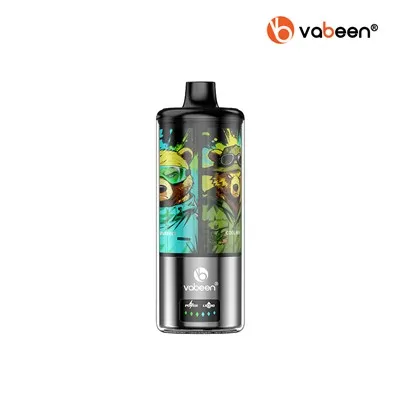
First off, let’s talk about what the Open Pod System is. It’s a revolutionary platform that allows for seamless data sharing and collaboration across different organizations and systems. It’s designed to be open, flexible, and secure, which makes it a great choice for businesses that need to manage and analyze large amounts of data.
Now, when it comes to data governance in the Open Pod System, there are a few key policies that we follow. These policies are in place to ensure that the data is accurate, secure, and compliant with all relevant regulations.
Data Quality Management
One of the most important aspects of data governance is data quality management. In the Open Pod System, we have strict policies in place to ensure that the data is clean, consistent, and accurate. We use a combination of automated tools and manual processes to validate and clean the data before it’s entered into the system.
For example, we have data validation rules that check for things like data type, range, and format. If the data doesn’t meet these rules, it’s flagged for review and correction. We also have a process for data cleansing, which involves removing duplicate, incomplete, or inaccurate data from the system.
In addition to these processes, we also have a data quality monitoring system in place. This system regularly checks the data in the system to ensure that it continues to meet the quality standards. If any issues are detected, we take immediate action to correct them.
Data Security
Another critical aspect of data governance in the Open Pod System is data security. We understand that data is one of the most valuable assets of any organization, and we take every precaution to protect it.
We use a multi – layer security approach to safeguard the data in the Open Pod System. This includes things like encryption, access controls, and intrusion detection systems.
Encryption is used to protect the data both in transit and at rest. When data is being transferred between different systems or components of the Open Pod System, it’s encrypted using industry – standard encryption algorithms. This ensures that even if the data is intercepted, it can’t be read by unauthorized parties.
Access controls are also a key part of our security strategy. We have a role – based access control (RBAC) system in place, which means that users can only access the data that they’re authorized to see. Each user is assigned a specific role, and their access rights are determined by that role. For example, a data analyst may have access to certain datasets for analysis purposes, while a system administrator may have broader access to manage the system.
Intrusion detection systems are used to monitor the system for any suspicious activity. These systems can detect things like unauthorized access attempts, data exfiltration, and malware attacks. If any such activity is detected, the system immediately alerts the security team, who can then take appropriate action.
Data Privacy
Data privacy is a major concern these days, especially with the increasing number of data breaches and privacy regulations. In the Open Pod System, we have strict data privacy policies in place to ensure that the personal information of our users is protected.
We follow all relevant data privacy regulations, such as the General Data Protection Regulation (GDPR) in the European Union. This means that we have to obtain explicit consent from users before collecting and processing their personal data. We also have to provide users with clear information about how their data will be used, who it will be shared with, and for how long it will be retained.
In addition to following regulations, we also take steps to minimize the amount of personal data that we collect. We only collect the data that is necessary for the operation of the Open Pod System, and we delete any unnecessary data as soon as it’s no longer needed.
Data Retention and Disposal
Data retention and disposal policies are also an important part of data governance in the Open Pod System. We have clear rules about how long data should be retained in the system, and we follow a proper process for disposing of the data when it’s no longer needed.
The data retention period is determined based on a variety of factors, such as legal requirements, business needs, and the nature of the data. For example, some data may need to be retained for a certain number of years for tax or legal purposes, while other data may only need to be retained for a few months for operational reasons.
When it comes to data disposal, we ensure that the data is destroyed in a secure and irreversible manner. We use techniques like data overwriting and shredding to make sure that the data can’t be recovered.
Data Sharing and Collaboration
The Open Pod System is all about data sharing and collaboration, but of course, we have policies in place to make sure that this is done in a responsible way.
Before data is shared with other organizations or systems, we conduct a thorough assessment of the recipient’s data governance practices. We need to make sure that they have adequate security and privacy measures in place to protect the data.
We also have agreements in place with our partners that outline the terms and conditions of data sharing. These agreements cover things like data usage rights, data ownership, and confidentiality.
Why Our Data Governance Policies Matter
You might be wondering why all these data governance policies matter. Well, for starters, they help to build trust with our customers. When our customers know that their data is being managed in a responsible and secure way, they’re more likely to use our Open Pod System.
These policies also help to ensure the reliability and effectiveness of the system. By maintaining high – quality data, we can provide more accurate insights and analytics, which can help our customers make better business decisions.
And let’s not forget about compliance. In today’s regulatory environment, businesses can face significant fines and legal consequences if they don’t comply with data privacy and security regulations. Our data governance policies ensure that our customers are always in compliance with these regulations.
Contact Us for More Details
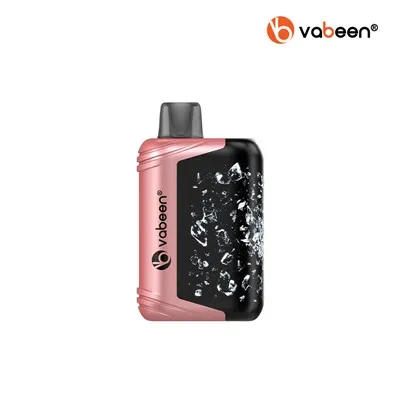
If you’re interested in learning more about the Open Pod System and how our data governance policies can benefit your business, we’d love to hear from you. Whether you’re a small startup or a large enterprise, our system can be customized to meet your specific needs.
Adjustable Nicotine Vape Get in touch with us to start a conversation about procurement. Our team of experts is ready to walk you through the features and benefits of our Open Pod System and answer any questions you may have. We’re confident that once you understand how our system works and how it’s backed by strong data governance policies, you’ll see why it’s the right choice for your organization.
References
- "Data Governance for Dummies" by Rhonda F. Tetlow
- "The Data Governance Field Book" by Bob Seiner
- General Data Protection Regulation (GDPR) official documentation
Shenzhen Jiandun Technology Co., Ltd.
As one of the most professional open pod system manufacturers and suppliers in China, we have world-leading production equipment and strong manufacturing capabilities. Please rest assured to buy high quality open pod system for sale here from our factory. Contact us for quotation and free sample.
Address: 5th Floor, No.2 Building, GaoXinqi Science and Technology Park Phase II, No.6, Longchang Road, Xin’an Street, Bao’an District, Shenzhen, Guangdong, China
E-mail: info@vabeen.com
WebSite: https://www.vabeenvape.com/
