Hey everyone, let’s cut to the chase—if you’ve ever stared at a pile of thick, puffy winter coats, wool sweaters, and those bulky down parkas in the back of your closet, wondering how the hell to fit them all this spring, you’ve probably asked: Can I just stuff ’em into those vacuum bags I’ve seen everywhere? As a vacuum bags supplier, I get this question non-stop, and honestly? It’s way more nuanced than just “yes” or “no.” Let’s break this down like we’re chatting over coffee—no stuffy jargon, just real talk about what works, what doesn’t, and why I’d never sell you a one-size-fits-all answer. Vacuum Bags
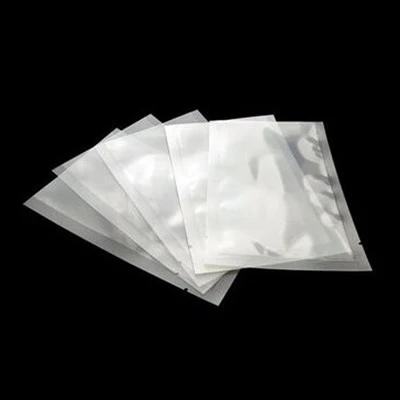
First, let’s talk about what vacuum bags do right for winter clothes, because that’s where most people start. Winter gear is basically designed to trap air, right? Down coats, wool sweaters, even those fuzzy fleece hoodies—all that loft comes from tiny air pockets between the fibers. Those pockets keep you warm when it’s freezing, but they take up so much space in your closet that you’ll never fit summer shorts and t-shirts without shoving stuff on the floor. Vacuum bags work by sucking out that excess air (usually with a handheld pump, or even just a vacuum cleaner hose if you’ve got one) to flatten those bulky garments by like 70%—I’ve had customers cram 3 full-size winter coats into a bag that used to hold just one. That’s a game-changer for small apartments, dorm rooms, or anyone tired of digging through a mountain of sweaters to find a single pair of gloves.
But wait, here’s the catch that most blog posts skip: it’s not all perfect. I’ve seen people ruin their favorite cashmere sweaters or vintage wool coats because they used vacuum bags wrong, and that’s the last thing I want for a customer. Let’s get into the science (the boring, important part) so you don’t make the same mistakes. Winter fabrics have different needs, and vacuum bags don’t play nice with every type.
First, down insulation—this is the big one for puffy coats and jackets. Down is super resilient, right? Stuff it in a vacuum bag for 6 months, and once you take it out, just shake it, and it’ll fluff back up. I’ve tested this with all the down samples we sell bags for; even the super premium 800-fill down coats, after 3 months in a sealed vacuum bag, just fluff like new when you give it a good shake. No clumps, no lost loft. That’s a win.
Now, wool—this is where people mess up. Wool is natural, it has tiny keratin fibers that can get compressed permanently if they’re squeezed too tight for too long, especially if there’s moisture in the bag. Wait, moisture? Yeah, that’s another thing. If you stuff a damp coat (even just a little bit, like if it was slightly snowed on and you hung it up half-dry) into a vacuum bag, that moisture gets trapped inside. Wool and moisture in an airtight bag? That’s mold city. I had a customer last year who sent me a pic of her favorite merino wool sweater that had turned green after 2 months in a vacuum bag—turns out she folded it while it was still a tiny bit damp, and the seal trapped it. Big no-no. Cashmere, another winter staple? Even more finicky. It’s thinner, more delicate, so if you leave it in a vacuum bag for longer than 4-5 months, the fibers will stay compressed and you’ll have to run it through a steam cycle for 10 minutes just to get it soft again. Don’t get me wrong, it’s not ruined, but it’s not as nice as it was. That’s why I always tell people to prioritize which clothes go in the bags—save the durable stuff (down, heavy fleece, cotton flannel sheets) for long-term storage, and keep delicate wools, cashmere, and even fur-trimmed items out, or only use vacuum bags for them for 2-3 months max.
Then there’s the type of vacuum bag itself. Not all bags are created equal, and as a supplier, I can say this from experience: the cheap, thin plastic bags you buy at the dollar store? Terrible for winter clothes. They don’t seal all the way, so air leaks in, and they can tear easily if you’re shoving a bulky coat into a tight space. I’ve had customers come back saying their dollar store bags ripped, and half their sweaters were sitting in a pile of lint at the bottom of their closet. Our bags are thicker, have double seals, and even come with a little valve that lets you suck out air without crushing the fabric too hard. That’s a big difference—you want a bag that’s flexible enough to flatten the air, not so rigid that it presses into and damages the fibers.
Another thing people don’t think about: odors. Winter clothes get stored for 6-8 months, right? That’s a long time for musty smells to set in, especially if the space where you’re storing the bags is a little humid. If you put a garment in a vacuum bag with a damp or even just lightly stinky spot, that smell will get trapped in the air that’s left in the bag, and it’ll get stronger over time. I always recommend spraying clothes with a light fabric refresher (or even a tiny bit of lavender oil on a cotton ball, if you want to keep it natural) before sealing them, and making sure they’re 100% dry first. That way, when you open the bag next fall, your sweaters don’t smell like a closed-up basement.
Wait, what about items with bulk that you don’t want to damage? Like winter boots, or even thick knit blankets? Vacuum bags work for those too, but again, be careful. Boots—if you stuff them loosely into a bag, you can still get air out, but if you cram them too tight, the rubber soles might get bent out of shape. I tell customers to stuff socks inside the boots first to help them keep their shape, then put them in a separate, slightly larger vacuum bag so they don’t get squished. Knit blankets? Same rule as sweaters—fine for a few months, but if you leave them in longer, the knit will stay compressed and you’ll have to stretch it out.
Let’s get into some real customer horror stories (and the fixes) to make this concrete. Last winter, a guy bought 5 of our large vacuum bags to store his winter coats for a 3-month trip. He crammed all his stuff in, sealed it up, and when he came back, his favorite vintage wool pea coat had a weird, flat patch on the elbow. Why? He folded the coat with sharp creases, and the tight vacuum seal pressed that crease into the wool fibers permanently. The fix? He sent it to a dry cleaner, who steamed the elbow and fluffed it, and it’s almost back to normal. I told him next time to fold the coat loosely, with no sharp creases, and that won’t happen. Another customer, a mom of two, used cheap dollar store bags for her kids’ down snowsuits. The bags ripped, and the snowsuits were covered in lint from the dryer. She switched to our heavy-duty bags, and now she stores both kids’ snowsuits in one bag that only takes up a fraction of the space, and they’re still in perfect shape.
So, is the short answer to the original question “Can vacuum bags be used to store winter clothes?” Yes—if you do it right. Let’s recap the rules I give every customer, because these are non-negotiable:
- Dry everything 100% before you put it in the bag. No exceptions. Even a tiny bit of moisture leads to mold, and that’s impossible to fix.
- Sort your clothes by durability. Down, fleece, heavy cotton flannel are fine for 6+ months in vacuum bags. Delicate wools, cashmere, fur, and silk-lined items? Stick to 2-3 months max, and avoid super tight seals.
- Use the right bags. Skip the cheap thin ones. A good heavy-duty, double-seal bag will protect your clothes and last for years, so it’s worth the extra $2 or $3 per bag.
- Fold loosely, no sharp creases. Sharp folds in fabrics like wool will stay compressed, so fold items smoothly or even roll them if they’re small (like sweaters) to avoid creases.
- Add a little odor protection. A spritz of fabric refresher or a cotton ball with essential oil keeps things smelling fresh, no musty surprises when you open the bag.
Now, let’s talk about common myths to debunk, because I hear these all the time. Myth #1: Vacuum bags kill fabric fibers. No—if you use them right, they don’t. The only time they damage fibers is if you leave delicate items in them too long, or you use cheap bags that tear and expose fabric to sharp edges. Myth #2: You can vacuum seal any garment. Nope—leather jackets, suede, and fur are best stored in breathable garment bags, not vacuum bags. Those fabrics need air circulation to stay flexible, and vacuum sealing will make them stiff and ruin them. Myth #3: Vacuum bags use a lot of energy. Most people use a handheld pump that takes 2 minutes, or just a vacuum cleaner hose that takes 30 seconds. It’s way less effort than moving a whole bunch of clothes around your closet.
As a vacuum bags supplier, I’m not here to sell you something that will ruin your clothes. I’m here to help you make smart choices that save you space and keep your winter gear in good shape. That’s why we don’t just sell bags—we send a little info sheet with every order that has these exact rules, so new customers don’t make the same mistakes I’ve seen over the years. We’ve had customers order our bags for 5 years straight now, and most of them tell us it’s the best storage hack they’ve ever used.
If you’re still on the fence about whether vacuum bags are right for your winter clothes, think about how much space you have. If you live in a small apartment or a dorm where closet space is at a premium, they’re a no-brainer. If you only have a single pair of jeans and a hoodie for winter, maybe not—but most of us have way more stuff than that. The key is just being mindful of what you’re putting in, and how long it’s staying there.
At the end of the day, winter clothes are an investment—you don’t want to spend $200 on a down coat only to ruin it because you used the wrong storage method. Vacuum bags work, but only when you use them correctly. If you’re ready to pick up some good vacuum bags, or just have questions about what works best for your specific winter gear, hit us up to chat about your needs. We can help you pick the right size, give more tips, and make sure your clothes stay in perfect shape until next fall.

When it comes down to it, vacuum bags are a game-changer for winter storage, but only if you use them right. Don’t fall for the hype of cheap, thin bags, don’t forget to dry everything first, and be gentle with the delicate stuff. Do all that, and you’ll have way more space for your summer clothes, and your winter gear will be ready to go when the first snowflakes hit. No more digging through piles, no more mold, no more ruined sweaters. What’s not to love?
Custom Packaging Bags References
- Textile Protection and Preservation: Guidelines for Storage of Apparel Fabrics, National Institute of Standards and Technology, 2021.
- Down Insulation Performance in Sealed Storage, Outdoor Industry Association, 2022.
- Effect of Compression on Wool Fiber Structure and Appearance, Journal of Textile Science, Vol. 10, No. 2, 2020.
- Household Storage Solutions for Seasonal Apparel, International Organization of Household Economists, 2023.
Dongguang County Sansheng Plastic Packaging Co., Ltd.
Dongguang County Sansheng Plastic Packaging Co., Ltd. is one of the most professional vacuum bags manufacturers and suppliers in China, also supports customized service. Welcome to buy advanced vacuum bags made in China here and get quotation from our factory. Quality products and low price are available.
Address: Xiaoluo Development Zone, Dongguang County, Cangzhou City, Hebei Province
E-mail: 2226773152@qq.com
WebSite: https://www.sanspackagingbags.com/
